
Natural Fiber Rugs vs. Synthetic: What the Difference Means for Your Floor

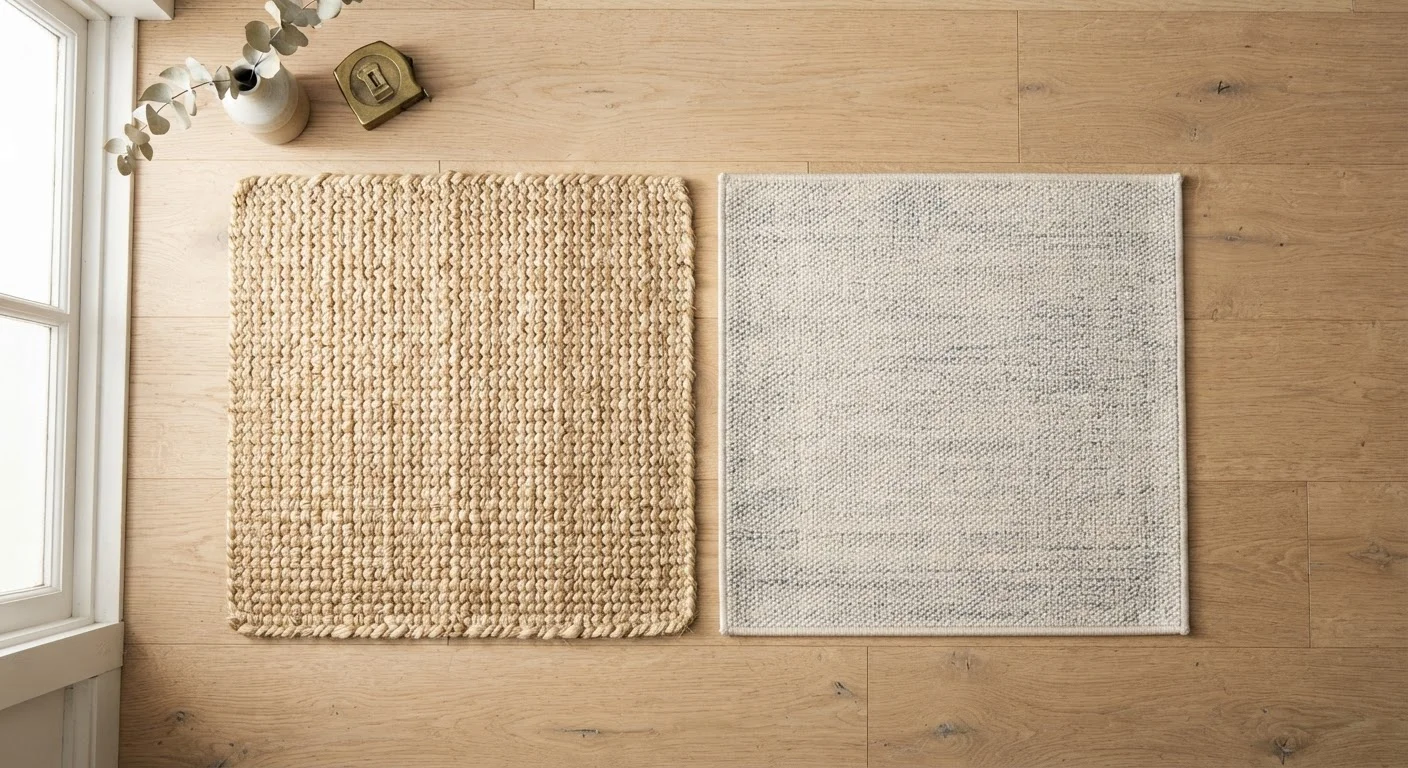
Photo: FaqsBay.com | Trending Blogs, Top Genres editorial
Key Takeaways
- Natural fiber rugs (jute, sisal, wool) are breathable and biodegradable but generally more sensitive to moisture and staining.
- Synthetic rugs (polypropylene, nylon, polyester) resist moisture and staining but are made from petroleum-based materials.
- The right choice depends heavily on room traffic, humidity levels, and how much maintenance you're willing to do.
- Wool occupies a middle ground — natural origin, but notably more durable and stain-resistant than plant-based fibers.
- Neither type is universally superior; matching fiber to room conditions is what determines long-term satisfaction.
What Counts as a Natural Fiber Rug?
Natural fiber rugs are woven from plant- or animal-derived materials. The most common plant-based options are jute and sisal. Jute is soft-ish and relatively affordable, with a golden, loosely woven texture — it's comfortable barefoot but fairly vulnerable to moisture and heavy wear. Sisal comes from the agave plant and is notably tougher and more abrasion-resistant, making it a better fit for moderate foot traffic.
Seagrass and coir (coconut husk) round out the plant-fiber category. Seagrass is naturally stain-resistant and non-porous — unusually practical for a natural fiber — while coir is coarse and typically reserved for entryway mats.
Wool is the dominant animal fiber and warrants special attention. Though technically natural, wool performs closer to synthetics in durability terms: it's resilient, springy underfoot, and contains lanolin, which gives it a degree of natural moisture and stain resistance that plant fibers simply lack. Expect to pay more for a quality wool rug, but it tends to earn its keep over years of use.
A Note on Rug Pads
How Synthetic Rugs Are Made and What That Means
Synthetic rugs are manufactured from petroleum-derived polymers. Polypropylene (also called olefin) is by far the most widely available — it's lightweight, colorfast, moisture-resistant, and easy to clean. It won't absorb spills the way natural fibers do, which makes it a practical choice for kitchens, dining rooms, and any area where food or drink is a regular presence.
Nylon is the most durable synthetic option, with strong resistance to crushing and abrasion — useful in hallways or living rooms that see constant foot traffic. Polyester offers vivid color saturation and softness at a lower price point than nylon, though it can flatten under heavy furniture over time.
The trade-off with synthetics is environmental: these fibers are not biodegradable, and some lower-end options can off-gas volatile organic compounds (VOCs) when new. Adequate ventilation in the days after installation is a reasonable precaution. If you're comparing approaches to materials science in other areas of home improvement, the hardwood vs. engineered wood breakdown applies a similar lens to flooring beneath your rug.
| Criterion | Natural Fiber Rugs | Synthetic Rugs |
|---|---|---|
| Common materials | Jute, sisal, wool, seagrass, coir | Polypropylene, nylon, polyester |
| Moisture resistance | Low (wool moderate) | High |
| Stain resistance | Low–moderate (wool higher) | High |
| Durability under traffic | Moderate (sisal/wool higher) | High (especially nylon) |
| Softness underfoot | Varies — wool soft, sisal coarse | Varies — polyester soft, polypropylene firm |
| Biodegradability | Yes | No |
| Ease of cleaning | Spot-clean only; avoid saturation | Generally easier; some hose-washable |
| Typical price range | Mid to high (wool especially) | Low to mid |
Matching Fiber to Room Conditions
The single biggest factor driving your choice should be where the rug will live. Room conditions — humidity, traffic volume, cleaning frequency — matter more than aesthetics alone.
- Bathrooms and kitchens: Avoid jute and most plant fibers entirely. Moisture causes them to break down, discolor, and develop mildew. Synthetic or seagrass are safer bets.
- Bedrooms and formal living rooms: Low-traffic, dry environments are where jute, sisal, and wool can shine. They handle occasional vacuuming well and age gracefully in these conditions.
- Entryways and hallways: High abrasion demands a tough fiber. Sisal, coir, or a dense nylon or polypropylene loop construction will hold up far better than loosely woven plant fibers.
- Under dining tables: Spills are near-certain. A flat-weave synthetic or seagrass rug is far easier to spot-clean than a shaggy jute.
Humidity is often underestimated. Homes in consistently humid climates — coastal regions, older homes without central air — put natural plant fibers under constant stress. In these settings, synthetic is typically the more practical call.
~10–15 yrs
Typical lifespan of a quality wool rug
Industry guidance from rug care professionals suggests well-maintained wool rugs commonly outlast most synthetic alternatives by several years.
5–10%
Moisture content natural fibers can absorb
Plant-based fibers like jute can absorb a meaningful proportion of their weight in moisture, which accelerates deterioration in humid environments.
Care, Longevity, and Cost Over Time
Routine vacuuming works for both fiber types, but the approach to spills and deep cleaning differs significantly. Most natural fiber rugs should not be saturated with water — spot cleaning with minimal moisture is the standard guidance. Professional cleaning by a rug specialist is advisable for significant soiling. Always check the manufacturer's care label, as construction details vary.
Synthetic rugs generally tolerate more aggressive cleaning. Many polypropylene rugs can be taken outdoors, hosed down, and left to dry — a major convenience advantage for households with messy daily life.
On cost: entry-level synthetic rugs are widely available at lower price points, but mid-range wool or sisal rugs often match them in longevity, which affects the real cost-per-year equation. A well-maintained wool rug can last well over a decade; a low-quality synthetic may flatten or pill noticeably within a few years under heavy use. Budget framing should account for replacement cycles, not just sticker price.
The content provided on our blog site traverses numerous categories, offering readers valuable and practical information. Readers can use the editorial team’s research and data to gain more insights into their topics of interest. However, they are requested not to treat the articles as conclusive. The website team cannot be held responsible for differences in data or inaccuracies found across other platforms. Please also note that the site might also miss out on various schemes and offers available that the readers may find more beneficial than the ones we cover.