
Weekly Meal Planning: Building a Routine That Supports Consistent Nutrition

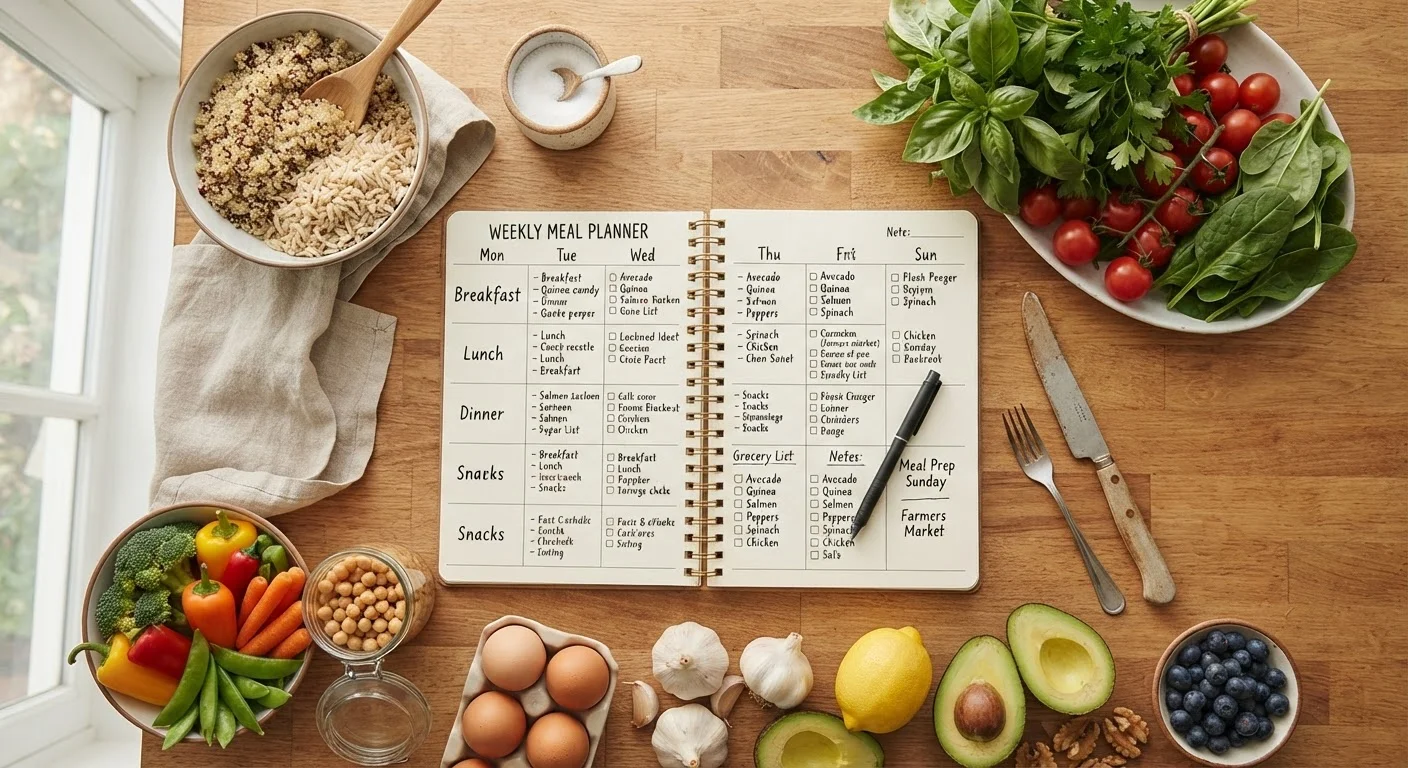
Photo: FaqsBay.com | Trending Blogs, Top Genres editorial
Key Takeaways
- A consistent planning day each week dramatically reduces midweek decision fatigue around meals.
- Effective meal planning starts with auditing what you already have before buying anything new.
- Variety across food groups matters more than nutritional perfection at each individual meal.
- Batch cooking a few core ingredients saves significant time without requiring full meal prep.
- Flexibility built into the plan — not rigidity — is what makes the habit sustainable long-term.
Why a Meal Planning Routine Actually Works
Most people don't struggle with nutrition because they lack information — they struggle because the daily question of "what do I eat?" gets answered under pressure, when tired, hungry, or rushed. That's when convenience food wins by default. Meal planning doesn't require a special diet or an elaborate system; it simply moves food decisions to a calmer, less pressured moment earlier in the week.
Research consistently links meal planning behaviors to greater dietary variety and reduced reliance on takeout or processed convenience foods. A 2017 study published in the International Journal of Behavioral Nutrition and Physical Activity found that individuals who planned meals ahead were more likely to meet dietary guidelines and maintain a healthier body weight. The mechanism isn't magic — it's that planning creates a buffer between impulse and action.
If you're new to thinking about how nutrition fits into a busy schedule, the guide to balanced eating for working adults is a helpful starting point before building your planning routine.
Variety Is the Goal, Not Perfection
What You'll Need Before You Start
Good meal planning doesn't require expensive tools or apps — though both can help if that's your style. The essentials are minimal.
What you will need
Notebook or planning template
Records your weekly meal plan and shopping list in one place for quick reference.
Grocery list app or notepad
Captures ingredients you need so nothing is forgotten at the store.
Meal planning app
Automates recipe scaling and generates shopping lists if you prefer a digital workflow.
Reusable storage containers
Stores batch-cooked components like grains, proteins, and roasted vegetables for use across multiple meals.
The Step-by-Step Planning Process
The following steps are designed to fit into roughly 30–60 minutes on one chosen day — most people find Sunday or Saturday morning works well. The goal is a repeatable process, not a perfect plan.
Audit your fridge, freezer, and pantry first
Before deciding what to cook this week, spend five minutes reviewing what you already have. Note proteins, grains, canned goods, and vegetables nearing the end of their useful life. Building meals around existing ingredients reduces waste and lowers your grocery spend — a meaningful advantage noted consistently in nutrition behavior research.
Decide how many meals you're planning for
Be realistic about your week. If you eat lunch out on Tuesdays and Thursdays, don't plan lunches for those days. Identify which meals genuinely need a plan — typically weeknight dinners cause the most friction — and focus your effort there. Over-planning leads to unused groceries and a sense of failure that erodes the habit.
Choose recipes that share ingredients
Ingredient overlap is one of the most practical strategies in meal planning. If you buy a bunch of kale, plan two or three meals that use it. If you're roasting a tray of chickpeas, they can anchor a grain bowl, fill a wrap, or go into a soup later in the week. This approach reduces the number of items on your shopping list and keeps fresh produce from going to waste.
Aim for variety across your planned meals — different protein sources, different cooking methods, different vegetable groups — rather than nutritional precision at each individual dish. Variety across a week is what supports a well-rounded diet, not balance on a single plate.
Write your shopping list organized by store section
Once your meals are selected, list every ingredient you need that isn't already in the house. Organize the list by store section — produce, proteins, dairy, dry goods, frozen — rather than by recipe. This saves significant time in the store and reduces the likelihood of backtracking through aisles.
Set aside time for batch cooking one or two components
Full meal prep every week isn't necessary — and for most people, it isn't sustainable. Instead, identify one or two components that take time but scale easily: a pot of grains, a tray of roasted vegetables, a batch of hard-boiled eggs, or a protein cooked in bulk. Having these ready in the fridge compresses weeknight cooking significantly without requiring an entire Sunday in the kitchen.
Post the plan somewhere visible
A plan that lives only in your head — or buried in an app you forget to open — doesn't reduce decision fatigue effectively. Write the week's meals on a whiteboard, stick a note on the fridge, or set a daily reminder that references the plan. Visibility is what makes the plan actionable in the moment when hunger and tiredness compete with good intentions.
Pairing your meal planning habit with a broader household budget review can help — our guide to eating well on a budget covers practical strategies for keeping nutritious eating affordable without sacrifice.
Making the Habit Stick Over Time
The first few weeks of any new routine feel effortful — that's normal and expected. The goal isn't to plan perfectly; it's to plan consistently enough that the process starts to feel automatic. A few principles help here.
Keep the bar low at first. Planning three dinners instead of seven is a legitimate starting point. Adding one more planned meal per week as comfort grows is more sustainable than an ambitious Week 1 plan that collapses by Thursday.
Build in flex meals. Life doesn't follow a schedule. Designating one or two nights per week as "flex" — where you use leftovers, improvise, or order in — removes the guilt when plans change and keeps the system realistic.
Review and adjust weekly. Spend five minutes at the end of each week noting what worked and what didn't. Did a recipe take too long? Did you constantly skip a planned meal? That feedback is how the system improves.
If you're also working on building a consistent exercise routine alongside your nutrition habits, scheduling workouts around a full-time job follows a similar approach to carving out structured time in a busy week.
This article is for general informational purposes only and is not a substitute for personalized nutrition or medical advice. Consult a registered dietitian or qualified healthcare professional for guidance tailored to your individual needs.
The content provided on our blog site traverses numerous categories, offering readers valuable and practical information. Readers can use the editorial team’s research and data to gain more insights into their topics of interest. However, they are requested not to treat the articles as conclusive. The website team cannot be held responsible for differences in data or inaccuracies found across other platforms. Please also note that the site might also miss out on various schemes and offers available that the readers may find more beneficial than the ones we cover.