
Nutrition & Diet

Eating Well on a Budget: Practical Strategies That Don't Require Sacrifice

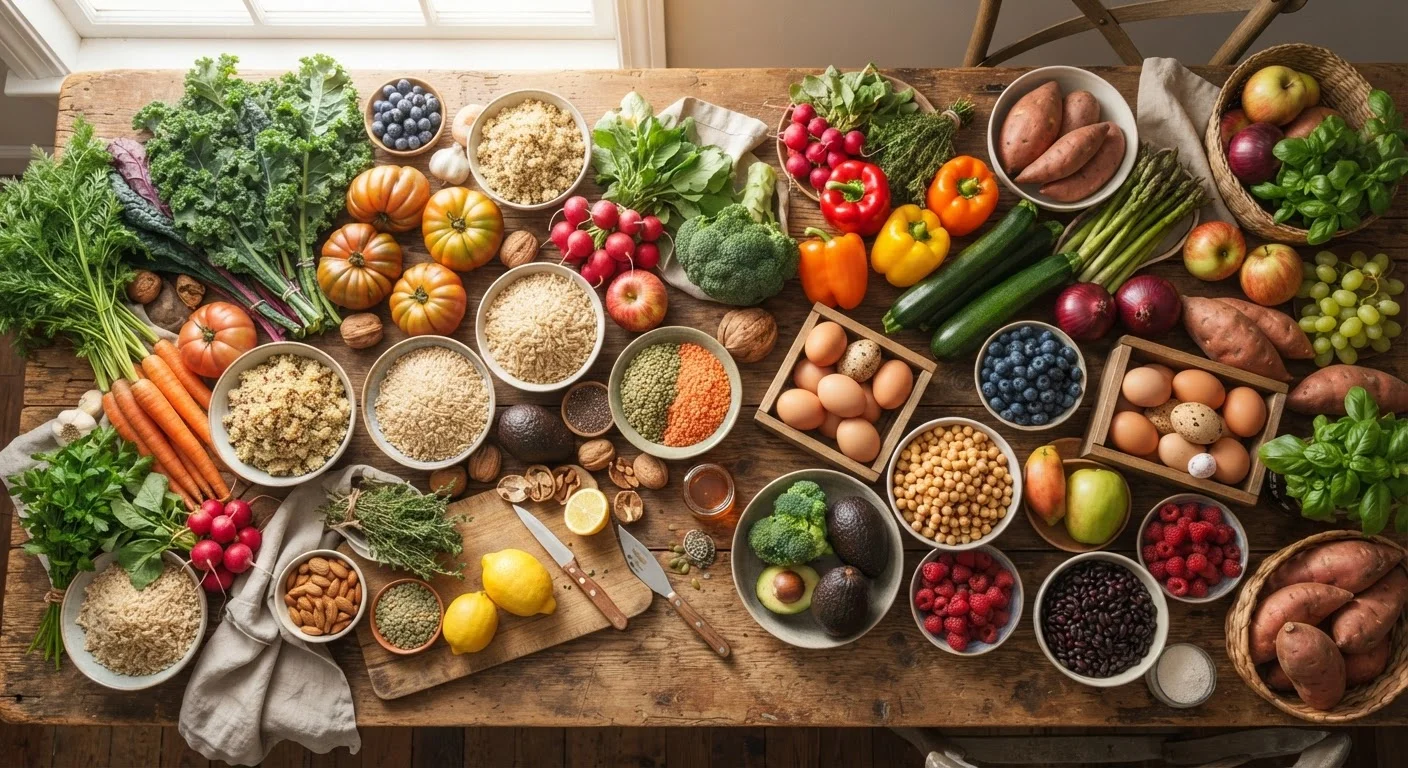
Eating Well on a Budget: Practical Strategies That Don't Require Sacrifice

Photo: FaqsBay.com | Trending Blogs, Top Genres editorial

Actionable approaches to building a nutritious, varied diet without overspending — grounded in real food, not supplements.

Key Takeaways

  • Plant proteins like lentils, beans, and eggs deliver strong nutrition at a fraction of the cost of meat.
  • Buying staples in bulk and cooking from scratch are two of the highest-impact habits for food budget control.
  • Frozen and canned vegetables are nutritionally comparable to fresh and often significantly cheaper.
  • Meal planning reduces impulse purchases and food waste — two of the biggest hidden costs in grocery spending.
  • A varied, affordable diet is achievable without relying on supplements or specialty health foods.

Why Eating Well and Spending Less Aren't at Odds

A persistent myth in nutrition culture is that healthy food is inherently expensive. In reality, some of the most nutrient-dense foods available — dried legumes, oats, eggs, canned fish, frozen vegetables, and seasonal produce — rank among the most affordable items in any grocery store. The challenge isn't access to healthy food; it's knowing which choices to prioritize and how to build consistent habits around them.

If you're new to thinking about this systematically, the introduction to balanced eating covers the core principles worth understanding before building a budget-conscious approach on top of them. Once you have that foundation, the strategies below offer a practical, evidence-informed path forward.

Best Practices for Nutritious, Budget-Friendly Eating

These approaches are grounded in how food actually works nutritionally — not in wellness trends or marketing. Apply them gradually rather than all at once for the most sustainable results.

1

Build meals around plant-based proteins as your primary protein source

Dried beans, lentils, chickpeas, and tofu deliver substantial protein, fiber, and micronutrients at a cost that is typically several times lower per serving than animal proteins. Shifting even a few meals per week toward plant proteins has measurable effects on both nutritional quality and grocery spend.
Example: A pot of lentil soup made from dried lentils, onion, canned tomatoes, and basic spices provides multiple servings of protein- and iron-rich food for under two dollars in total ingredient cost.
2

Rely on frozen and canned vegetables without hesitation

Freezing and canning vegetables at peak ripeness preserves the majority of their nutrients — in some cases, frozen produce retains more vitamins than fresh produce that has spent days in transport and storage. These formats also reduce food waste, since they don't spoil on the shelf.
Example: Frozen spinach, canned diced tomatoes, and canned kidney beans are consistent pantry staples that can be incorporated into soups, stews, and grain bowls year-round regardless of seasonal availability.
3

Cook whole grains in large batches and use them across multiple meals

Whole grains like brown rice, oats, barley, and farro are inexpensive when purchased in bulk and highly versatile. Cooking a large batch at the start of the week creates a ready base for different meals, reducing both cooking time and the temptation to spend on convenience foods.
Example: A single batch of cooked brown rice prepared on Sunday can serve as a base for stir-fry on Monday, a grain bowl with roasted vegetables on Wednesday, and a side dish on Friday.
4

Plan your weekly meals before writing your grocery list

Unplanned grocery shopping is one of the most direct causes of both overspending and food waste. A simple written plan — even informal — aligns what you buy with what you'll actually eat, reduces duplicate purchases, and prevents the costly cycle of discarding unused ingredients.
Example: Spending ten minutes on Sunday mapping out five dinners lets you write a focused grocery list that eliminates impulse items and ensures ingredients are used across multiple meals rather than discarded.
5

Use eggs as a high-value, flexible protein across multiple meal types

Eggs consistently rank among the most cost-effective complete protein sources available. They contain all essential amino acids, fat-soluble vitamins including D and B12, and choline — a nutrient that most Americans consume in insufficient amounts. Their versatility across breakfast, lunch, and dinner makes them a reliable cornerstone of budget cooking.
Example: A vegetable frittata made with eggs, leftover roasted vegetables, and a handful of cheese turns inexpensive ingredients into a complete dinner with minimal preparation time.
6

Prioritize seasonal and store-brand produce over premium or out-of-season options

In-season produce is typically harvested closer to point of sale, meaning it costs less to transport and is priced accordingly. Store-brand canned and frozen goods meet the same food safety and quality standards as name brands at a meaningfully lower price point.
Example: Swapping name-brand canned chickpeas for a store-brand equivalent and choosing in-season cabbage over year-round imported asparagus can reduce a single grocery run's cost by a noticeable margin with no nutritional compromise.

Quick Wins You Can Act on This Week

You don't need to overhaul your entire grocery routine overnight. These immediate steps deliver real impact with minimal friction.

high Swap one meat-based dinner this week for a lentil or bean dish using ingredients you likely already have in your pantry.
high Check your freezer section and stock up on two or three frozen vegetable varieties — spinach, peas, and edamame are versatile starting points.
high Write a rough five-dinner plan before your next grocery trip and build your list from it rather than shopping without a plan.
medium Switch one or two regularly purchased canned or dry goods to the store-brand equivalent this week and compare the result.
medium Cook a double batch of whole grains (rice, oats, or barley) during your next cooking session and refrigerate the extra for use later in the week.

For a more structured approach to reducing food spending alongside your broader household budget, the budgeting basics hub offers practical frameworks worth reviewing.

Closing the Nutrition Gap Without Spending More

Many people eating on tight budgets aren't as far from good nutrition as they assume — they may simply have a few consistent gaps. The nutrient gaps most Americans have article identifies which shortfalls are most common in typical US diets and which affordable everyday foods address them effectively.

“The most health-promoting diets in the world — Mediterranean, traditional Asian, and others — are built on legumes, vegetables, whole grains, and modest amounts of animal protein. These are not expensive ingredients. Cost is rarely the barrier it's assumed to be.”

— Walter Willett, Professor of Epidemiology and Nutrition, Harvard T.H. Chan School of Public Health

Once you've established a working routine, a self-directed nutritional audit can help you identify where variety or balance is still missing — no tracking app required. Pairing that with a consistent weekly meal planning routine is one of the most reliable ways to maintain progress without constant effort.

This article is for general informational and educational purposes only and does not constitute medical or nutritional advice. Consult a registered dietitian or qualified healthcare provider for guidance tailored to your individual health needs and circumstances.

Health & Wellness Editorial Team

FaqsBay.com | Trending Blogs, Top Genres

Health & Wellness Editorial Team is the collective byline for our editorial team and contributor network. Articles published under this byline or an editorial pen name are researched, written, and reviewed according to our editorial standards for clarity, consistency, and independence before publication.

Fitness & ExerciseNutrition & DietMental Wellness
View author profile

The content provided on our blog site traverses numerous categories, offering readers valuable and practical information. Readers can use the editorial team’s research and data to gain more insights into their topics of interest. However, they are requested not to treat the articles as conclusive. The website team cannot be held responsible for differences in data or inaccuracies found across other platforms. Please also note that the site might also miss out on various schemes and offers available that the readers may find more beneficial than the ones we cover.