
Usage-Based and Pay-Per-Mile Insurance: How These Newer Models Work

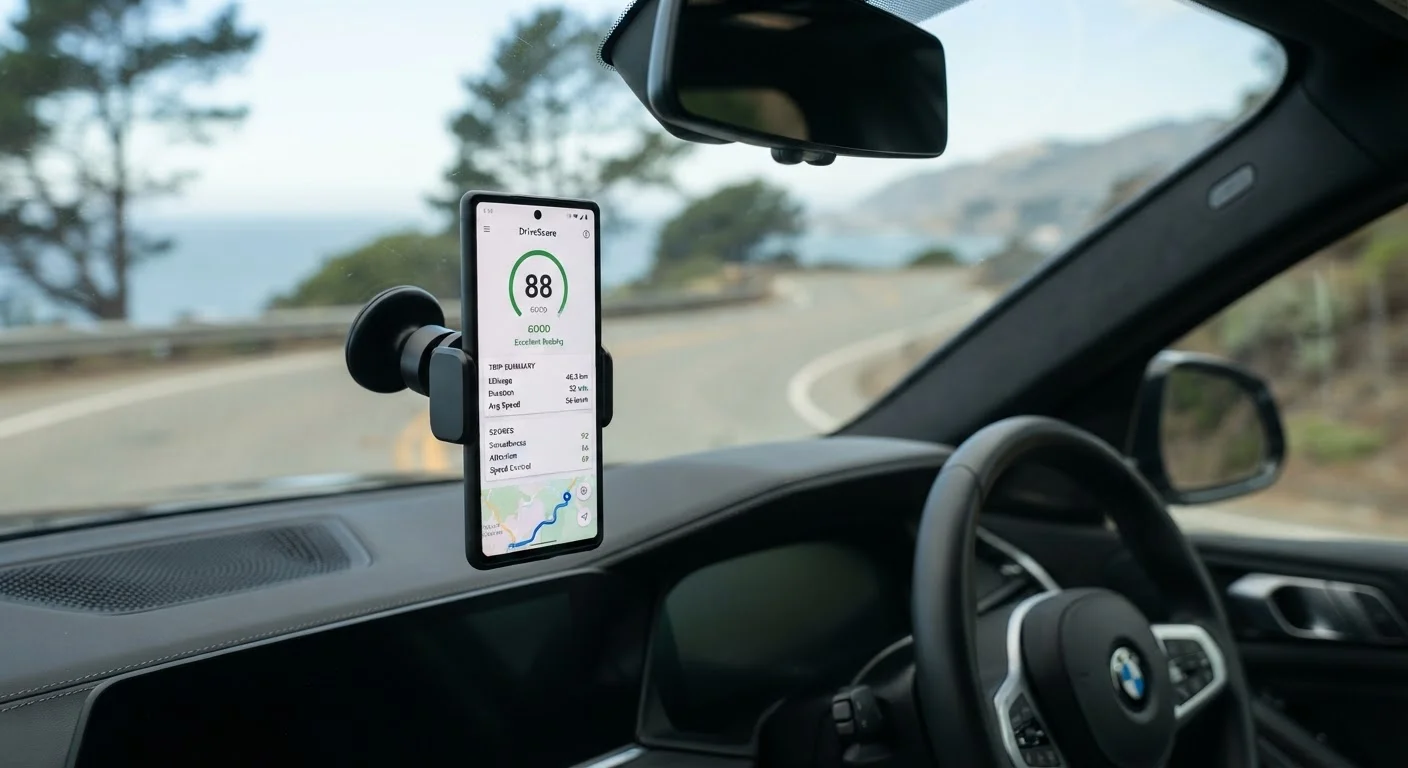
Photo: FaqsBay.com | Trending Blogs, Top Genres editorial
Key Takeaways
- Usage-based insurance prices your premium around how you drive, not just who you are.
- Pay-per-mile programs charge a flat base rate plus a per-mile fee each month.
- Low-mileage and safe drivers tend to benefit most; high-mileage or inconsistent drivers may not.
- Participation requires sharing driving data, which raises legitimate privacy considerations.
- Discounts and savings are not guaranteed - outcomes vary by insurer and individual behavior.
Rewards demonstrably safe driving with lower premiums
Drivers who avoid hard braking, rapid acceleration, and late-night trips can see premium reductions at renewal that wouldn't be available under traditional flat-rate pricing.
Pay-per-mile pricing directly benefits low-mileage drivers
If you drive fewer miles than average, a per-mile model can meaningfully reduce what you pay compared to a flat annual premium priced around typical usage.
Provides feedback that may encourage safer habits
Many telematics apps give real-time or weekly feedback on driving behavior, which some drivers find useful for identifying and correcting risky habits.
May offer an enrollment discount upfront
Some programs apply a modest discount simply for signing up, before any behavioral data is factored in, giving drivers an initial pricing advantage.
Requires ongoing sharing of detailed driving data
Telematics programs collect location, speed, braking, and sometimes phone-use data continuously. Data retention and sharing practices vary by insurer and should be reviewed carefully.
Scores can trigger rate increases, not just decreases
Not all programs are discount-only; some insurers reserve the right to raise premiums at renewal if your driving score falls below a threshold.
High-mileage drivers are unlikely to save
Pay-per-mile pricing makes economic sense only below a certain annual mileage. Drivers who commute long distances or travel frequently often fare better under traditional pricing.
Situational driving factors may be penalized unfairly
Hard braking caused by another driver's error or highway driving at legally posted speeds late at night can negatively affect scores even when the behavior is appropriate.
Program availability and structure vary by state and insurer
Not every insurer offers these programs, and where they do, the scoring models, discount caps, and data practices differ - making side-by-side comparison difficult.
What Usage-Based and Pay-Per-Mile Insurance Actually Are
Standard auto insurance pricing relies heavily on demographic and historical factors - your age, ZIP code, credit score in most states, and past claims history. Usage-based insurance (UBI) takes a different approach: it adjusts pricing around your actual driving behavior. Pay-per-mile insurance is a related but distinct model that focuses specifically on how far you drive rather than how well.
With a typical UBI program, an insurer collects data through a smartphone app or a small plug-in device (often called a telematics device) connected to your car's OBD-II port. The program tracks metrics such as hard braking, rapid acceleration, late-night driving, and phone use while moving. Safer scores often translate to lower renewal premiums - though some programs can also raise rates if scores are poor.
Pay-per-mile programs work differently. You pay a fixed base rate each month - covering liability and other standard protections - plus a per-mile charge for each mile driven. A driver logging 400 miles per month pays substantially less than one logging 1,500. For a broader foundation on what auto insurance covers, see our plain-language insurance overview.
UBI vs. Pay-Per-Mile: Not the Same Thing
The Pros: Why Some Drivers Find These Models Appealing
For the right driver, usage-based pricing addresses a genuine frustration: being priced alongside higher-risk drivers despite a clean personal record. Traditional rating factors like ZIP code or credit score can feel disconnected from your actual driving skill.
Rewards demonstrably safe driving with lower premiums
Drivers who avoid hard braking, rapid acceleration, and late-night trips can see premium reductions at renewal that wouldn't be available under traditional flat-rate pricing.
Pay-per-mile pricing directly benefits low-mileage drivers
If you drive fewer miles than average, a per-mile model can meaningfully reduce what you pay compared to a flat annual premium priced around typical usage.
Provides feedback that may encourage safer habits
Many telematics apps give real-time or weekly feedback on driving behavior, which some drivers find useful for identifying and correcting risky habits.
May offer an enrollment discount upfront
Some programs apply a modest discount simply for signing up, before any behavioral data is factored in, giving drivers an initial pricing advantage.
Pay-per-mile programs in particular appeal to remote workers, retirees, or urban residents who own a car but rarely drive it. If your vehicle sits in a garage most of the week, you're typically subsidizing higher-mileage drivers under flat-rate pricing. A per-mile model more directly ties cost to use.
The Cons: Limitations and Trade-Offs Worth Knowing
These programs aren't a straightforward win for every driver. Several meaningful drawbacks deserve honest consideration before enrolling.
Requires ongoing sharing of detailed driving data
Telematics programs collect location, speed, braking, and sometimes phone-use data continuously. Data retention and sharing practices vary by insurer and should be reviewed carefully.
Scores can trigger rate increases, not just decreases
Not all programs are discount-only; some insurers reserve the right to raise premiums at renewal if your driving score falls below a threshold.
High-mileage drivers are unlikely to save
Pay-per-mile pricing makes economic sense only below a certain annual mileage. Drivers who commute long distances or travel frequently often fare better under traditional pricing.
Situational driving factors may be penalized unfairly
Hard braking caused by another driver's error or highway driving at legally posted speeds late at night can negatively affect scores even when the behavior is appropriate.
Program availability and structure vary by state and insurer
Not every insurer offers these programs, and where they do, the scoring models, discount caps, and data practices differ - making side-by-side comparison difficult.
The data-sharing element is one of the more significant friction points. Telematics programs collect a continuous stream of location and behavior data, and privacy policies vary considerably across insurers. It's worth reading an insurer's data use agreement carefully before opting in. For context on how insurers already use information to set rates, our article on what drives your car insurance premium explains the broader rating picture.
How These Programs Fit Into Your Broader Insurance Picture
Switching to a usage-based or pay-per-mile program doesn't change what coverage types you carry - you still need liability, and depending on your situation, collision, comprehensive, and other protections. The model only changes how the premium is calculated. To understand why coverage selection itself matters, including protections like uninsured motorist coverage, it's worth reviewing your full policy alongside any pricing change.
~30%
Potential premium reduction cited by some UBI programs
Some insurers have advertised discounts in this range for high-scoring participants, though individual results vary widely and are not guaranteed.
~20%
Share of US drivers who drive fewer than 5,000 miles annually
Federal Highway Administration data suggests a meaningful portion of licensed drivers use their vehicles far below average, representing the core audience for pay-per-mile models.
It's also worth noting that not every insurer offers these programs in every state, and program structures differ meaningfully. Some programs offer an initial enrollment discount regardless of your score; others only adjust at renewal. Understanding how a specific program handles rate increases - not just decreases - is an important question to ask before joining. State insurance requirements don't change based on how you're priced, so minimum coverage obligations still apply wherever you live. See state auto insurance requirements for a reference on those mandates.
If you're weighing these programs against standard policies, it helps to understand how premium-to-deductible trade-offs work in general - a concept our article on deductibles and premiums covers in detail.
This article provides general information about auto insurance pricing models and is not personalized insurance or financial advice. Coverage availability, program details, and rate impacts vary by insurer, state, and individual circumstances. Consult a licensed insurance agent or adviser and review actual policy documents before making coverage decisions.
The content provided on our blog site traverses numerous categories, offering readers valuable and practical information. Readers can use the editorial team’s research and data to gain more insights into their topics of interest. However, they are requested not to treat the articles as conclusive. The website team cannot be held responsible for differences in data or inaccuracies found across other platforms. Please also note that the site might also miss out on various schemes and offers available that the readers may find more beneficial than the ones we cover.