
Certified Pre-Owned Programs: What the Designation Actually Guarantees

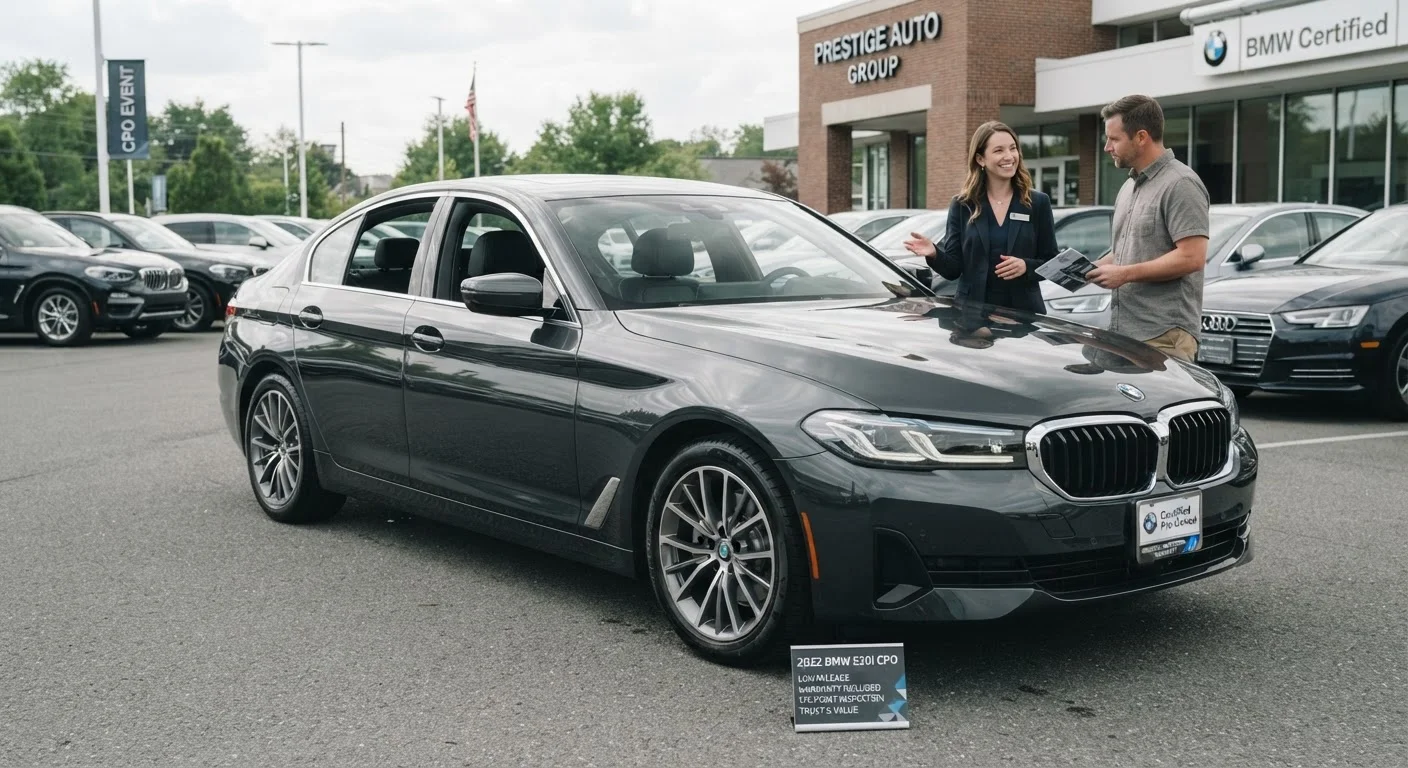
Photo: FaqsBay.com | Trending Blogs, Top Genres editorial
Key Takeaways
- CPO programs differ significantly between manufacturers and dealerships - the label alone does not guarantee uniform standards.
- Manufacturer-backed CPO programs generally offer stronger protections than dealer-created alternatives.
- The inspection checklist, warranty terms, and roadside assistance benefits vary widely and should be reviewed in writing.
- CPO vehicles typically carry a price premium over comparable non-certified used cars.
- An independent pre-purchase inspection remains useful even on a CPO vehicle.
What the CPO Label Actually Means
The certified pre-owned label is not a federally regulated standard. There is no single national definition that every dealer or automaker must follow. Instead, "CPO" describes a category of used vehicle that has gone through a program designed and administered by either the vehicle's manufacturer or the selling dealership - and those two types of programs are not equivalent.
Manufacturer CPO programs are run by the automaker itself - think of the program operated by a major domestic or import brand through its authorized dealers. These programs typically specify minimum vehicle age and mileage thresholds, require a standardized multi-point inspection, and back the warranty through the manufacturer's own financial resources. The warranty is transferable if you resell the vehicle, and coverage terms are disclosed in writing.
Dealer CPO programs are created independently by individual dealerships or dealer groups. Quality varies considerably. The dealer sets its own inspection criteria, issues its own warranty, and is the sole party standing behind the promise. Some dealer programs are robust; others offer limited protections that may be difficult to enforce.
Understanding which type of program covers the car in front of you is the first question to ask - before discussing price.
What Manufacturer CPO Programs Typically Include
While specifics vary by brand, manufacturer-backed CPO programs commonly share several core elements:
- Eligibility limits: Vehicles are usually restricted to a maximum age (commonly five to seven model years) and a mileage cap (often 60,000-80,000 miles). Cars with salvage, flood, or rebuilt titles are typically excluded.
- Multi-point inspection: A documented checklist - often 100 to 200 inspection points - covering engine, transmission, brakes, suspension, electrical systems, and safety equipment. Failed items must be repaired or replaced before certification.
- Extended limited warranty: Coverage is added on top of, or picks up where, the original factory warranty left off. Terms differ significantly; some programs offer bumper-to-bumper coverage, others cover only the powertrain.
- Roadside assistance: Many manufacturer programs include roadside assistance for the duration of the CPO warranty.
- Vehicle history review: Most manufacturer programs check the vehicle's history as part of eligibility. This complements - but does not replace - reviewing a vehicle history report yourself.
2-7 yrs
Typical manufacturer CPO age eligibility window
Most automaker CPO programs cap vehicle age at five to seven model years, though specific limits vary by brand program.
~80,000
Common CPO mileage ceiling (miles)
Many manufacturer programs set an upper mileage limit near 80,000 miles, though some brands allow higher thresholds depending on vehicle condition.
100-200
Inspection points in major manufacturer programs
Manufacturer CPO inspection checklists typically cover 100 to 200 discrete vehicle components, though the depth of each check varies by program.
Even within manufacturer programs, coverage limits, deductibles, and what counts as a covered repair differ. Always read the actual warranty document, not just the marketing summary.
The Price Premium: Is It Justified?
CPO vehicles typically sell for more than comparable non-certified used vehicles - the premium can range from a few hundred to several thousand dollars depending on the make, model, and the strength of the warranty being offered. Whether that premium is justified depends entirely on what the specific program delivers.
A manufacturer-backed CPO vehicle carrying substantial remaining powertrain coverage on a complex vehicle may represent genuine value. A dealer CPO label on an older vehicle with a 30-day "guarantee" is a much thinner proposition.
To put the pricing in perspective, consider how CPO pricing fits within the broader used-car market. Our explainer on what the price gap between new and used cars actually tells you covers depreciation curves and financing differences that affect the real cost of any used vehicle purchase.
Price the Same Car Without CPO First
Price the same vehicle without CPO certification at comparable dealerships. The difference reveals what you are actually paying for the designation - then evaluate whether the warranty terms justify that number.
What to Verify Before Paying the CPO Premium
Approaching any CPO purchase with a short verification checklist protects you from assumptions the marketing encourages:
- Confirm who backs the warranty. Is it the manufacturer or just the dealership? Ask for documentation, not just a verbal assurance.
- Request the inspection report. A legitimate CPO program produces a written inspection checklist with pass/fail notations. Review it - and note any items that were repaired.
- Read the warranty document. What is covered? What is explicitly excluded? What is the deductible per visit? Is the warranty transferable?
- Check vehicle history independently. Certification does not guarantee a clean history. See our guide on what vehicle history reports reveal and where they fall short for context on what these reports can and cannot confirm.
- Consider an independent inspection. Our pre-purchase checklist for used vehicles outlines what a qualified mechanic should evaluate - steps that apply even to CPO vehicles.
For a comprehensive view of how CPO fits into the broader car-buying process, the full lifecycle of a car transaction walks through every stage from research to final paperwork.
Frequently Asked Questions
The content provided on our blog site traverses numerous categories, offering readers valuable and practical information. Readers can use the editorial team’s research and data to gain more insights into their topics of interest. However, they are requested not to treat the articles as conclusive. The website team cannot be held responsible for differences in data or inaccuracies found across other platforms. Please also note that the site might also miss out on various schemes and offers available that the readers may find more beneficial than the ones we cover.