
Teaching a Cat to Come When Called

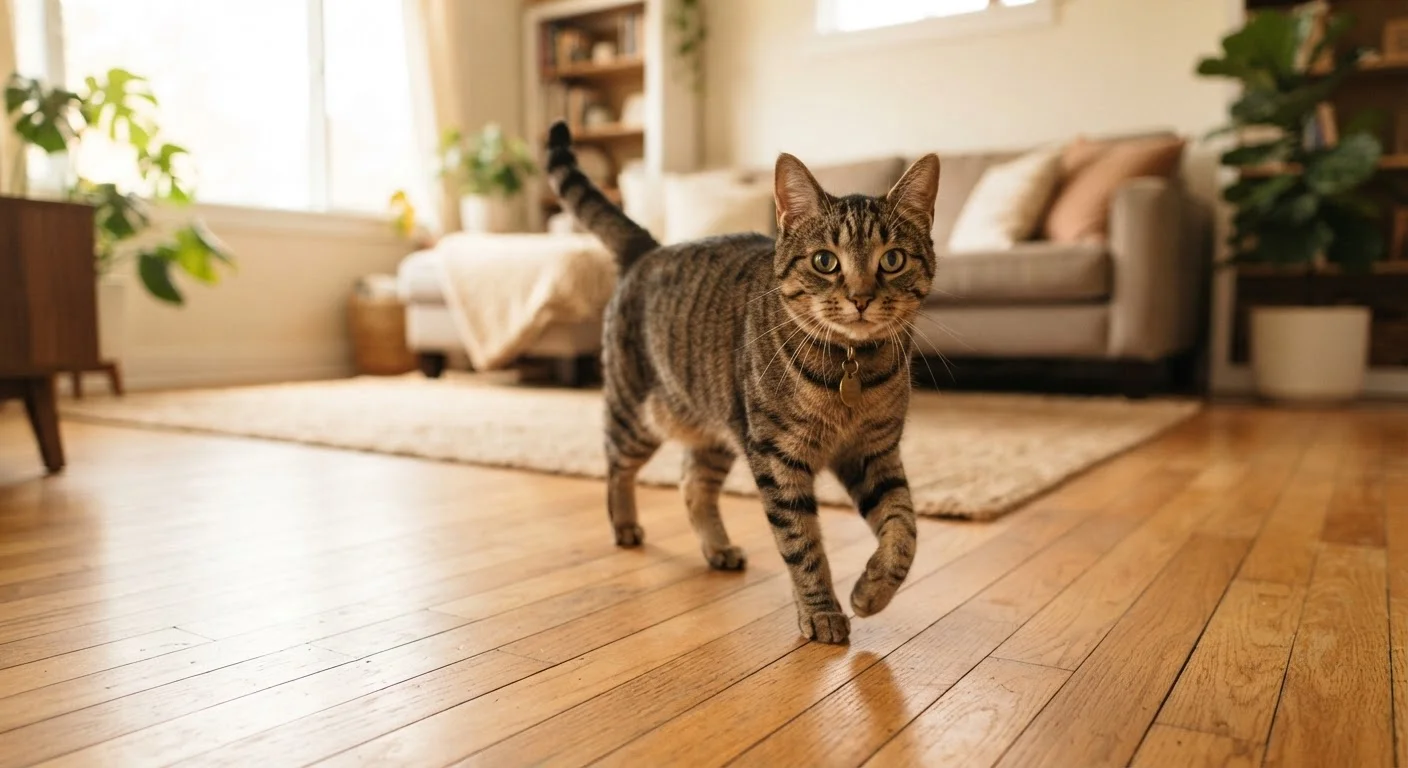
Photo: FaqsBay.com | Trending Blogs, Top Genres editorial
Key Takeaways
- Cats can reliably learn recall cues using positive reinforcement — it requires consistency, not force.
- Short, frequent training sessions of 2–5 minutes are more effective than long, infrequent ones.
- A distinct sound cue paired with a high-value reward is the foundation of the method.
- Never use the recall cue for anything the cat finds unpleasant, or the behavior will weaken.
- Most cats show meaningful improvement within one to three weeks of daily practice.
Why Cats Can — and Do — Learn Recall
A persistent myth holds that cats are too independent to train. Behavioral research tells a different story. Cats are fully capable of associative learning — they form reliable connections between a stimulus and an outcome just as readily as dogs do, provided the training method suits their nature.
The key difference is motivation. Cats are less likely to work for social approval alone, which is why reward quality matters so much. Pairing a distinct cue with a genuinely valued food reward exploits the same neural pathways that govern learning in all mammals. For a thorough look at how this works, see the science behind reward-based pet training.
Recall is also one of the most practical skills you can teach. It helps you locate a cat that has slipped outside, redirect one away from a hazard, and build the engaged, trusting relationship that makes all future training easier. If you are starting fresh with a new cat, training from day one gives a strong foundation to build from.
High-Value Training Treats
Provides a strong motivating reward that makes the recall cue worth responding to.
Clicker or Verbal Marker
Marks the exact moment the cat begins moving toward you, improving the timing of reinforcement.
Treat Pouch or Small Bowl
Keeps rewards accessible during sessions so delivery is fast and the training moment is not lost.
Before You Begin: Setting Up for Success
Effective recall training depends on three things being in place before you issue the first cue: the right environment, the right reward, and a clear understanding of what to avoid.
Environment: Start in the quietest, most familiar space in your home. Distractions compete for your cat's attention and reduce early success rates. Distraction-proofing comes later — after the cue is firmly established.
Reward quality: Kibble from the food bowl is rarely motivating enough. Identify what your individual cat finds irresistible. Small pieces of cooked protein, freeze-dried treats, or a flavor your cat actively seeks out are good starting points. The reward must feel genuinely worth moving for.
What to avoid: Never use the recall cue to end a play session, usher the cat into a carrier, or precede anything unpleasant. The cue's value is entirely dependent on what the cat predicts will happen next — protect it carefully.
What you will need
The Step-by-Step Training Process
The steps below follow a progression from basic cue conditioning to a recall that holds up across varied real-life situations. Work through them at your cat's pace — rushing the progression is the most common training error made by well-intentioned owners.
Choose and commit to a single recall cue
Pick one word ("come," "here," or your cat's name followed by a short word) or a clicker sound. Everyone in the household must use the same cue every time. Inconsistent cues are one of the most common reasons recall training stalls.
Pair the cue with a high-value reward at close range
Before asking your cat to travel any distance, teach the cue's meaning up close. Say the cue (or click), then immediately deliver a treat directly to your cat — even if it barely moved. Repeat 5–10 times per session. You are building a strong association: this sound predicts something excellent.
Introduce short distances in a low-distraction space
Once your cat looks toward you or begins moving when it hears the cue, take one or two steps back before cuing. Mark the moment movement begins, then reward generously the moment the cat reaches you. Gradually increase the distance by a foot or two each session as long as the cat is succeeding consistently.
Practice across different rooms and times of day
Cats are highly context-dependent learners. A behavior learned in the living room may not transfer automatically to the bedroom or kitchen. Practice the recall in every area of your home where you want it to work. Varying the time of day also prevents the cat from treating recall as a mealtime-only behavior.
Gradually introduce mild distractions
Once recall is reliable indoors with no distractions, practice with low-level distractions present — a toy on the floor, another person in the room, or mild outdoor sounds. Each new distraction is essentially a new context; be ready to reward more generously and reduce distance temporarily when conditions get harder.
Maintain the behavior with intermittent rewards
Once recall is established, you do not need to treat every single repetition. Shift to a variable reinforcement schedule — sometimes a treat, sometimes enthusiastic praise, sometimes a brief play session. Variable reinforcement maintains behavior more durably than predictable, every-time rewarding. Continue practicing several times a week to keep the skill sharp.
Warm Up Before Each Session
Never Punish a Cat That Comes to You
Recall Is a Practical Safety Skill
Troubleshooting Common Problems
Cat ignores the cue entirely: The reward is likely not motivating enough, or sessions are too long. Try a higher-value treat and cut sessions to 2 minutes. Restart conditioning at close range with no distance expectation.
Cat comes partway, then stops: Distance was increased too quickly. Return to the last consistently successful distance and rebuild more gradually, adding only one or two feet at a time across multiple sessions.
Recall works at home but not elsewhere: Context specificity is normal in feline learning. Treat any new environment as a first day of training — start close, reward heavily, and build distance again from scratch.
Cat was reliable but stopped responding: The cue has likely been inadvertently associated with something aversive, or practice has lapsed. Rest the cue for a week, then restart the conditioning phase with especially high-value rewards to rebuild a positive association.
The content provided on our blog site traverses numerous categories, offering readers valuable and practical information. Readers can use the editorial team’s research and data to gain more insights into their topics of interest. However, they are requested not to treat the articles as conclusive. The website team cannot be held responsible for differences in data or inaccuracies found across other platforms. Please also note that the site might also miss out on various schemes and offers available that the readers may find more beneficial than the ones we cover.