
Dog Body Language: A Field Guide for Everyday Owners

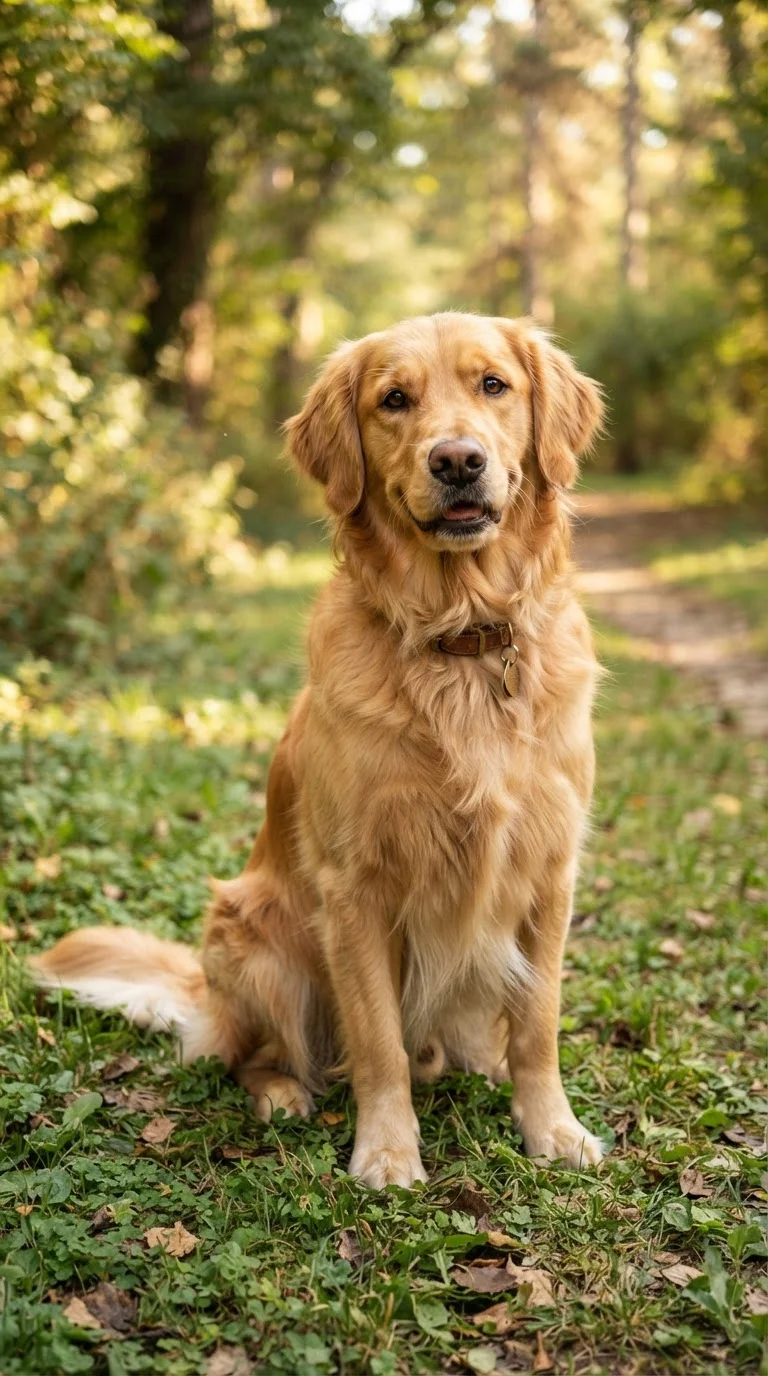
Photo: FaqsBay.com | Trending Blogs, Top Genres editorial
Why Body Language Literacy Matters
Dogs don't use words, but they are constantly communicating. Their posture, tail carriage, ear position, and facial expressions form a rich, layered language that has been studied extensively by animal behaviorists. When owners learn to read these signals accurately, they can respond to stress before it escalates, strengthen the human-dog bond, and prevent misunderstandings that sometimes lead to bites or chronic anxiety.
Misreading signals is more common than most owners realize. A tail wag, for instance, does not automatically mean a dog is happy — speed, height, and stiffness all change the meaning significantly. Similarly, a dog that looks away during training isn't being stubborn; it may be offering a calming signal, a form of canine social appeasement. For a deeper dive into those training dynamics, see our guide on why dogs ignore commands.
Reading the Tail
Tail position is one of the most expressive body parts, but context is everything. Breed matters too — a greyhound's natural tail carriage sits low, while a basenji's curls upward at rest.
- High and stiff: Arousal, alertness, or potential threat assessment. Combined with a rigid body, this signals tension.
- Broad, loose wag at mid-height: Relaxed friendliness. This is the classic happy tail.
- Fast, tight wag held high: High arousal — excitement or agitation. Not necessarily friendly.
- Tucked between legs: Fear or extreme submission. This dog is uncomfortable and needs space.
- Low, slow wag: Uncertainty or mild stress. The dog is cautious rather than relaxed.
Research published in animal cognition journals has found that dogs even wag more to the right when they see something positive and more to the left when they feel threatened — a subtle but measurable asymmetry.
Ears, Eyes, and Facial Cues
Facial signals operate together as a cluster rather than as isolated indicators. Reading one feature alone can mislead you.
Calming signal
A subtle social behavior — such as yawning, lip licking, or looking away — that dogs use to reduce tension in themselves or others. First documented systematically by Norwegian dog trainer Turid Rugaas.
Whale eye
When a dog turns its head slightly but keeps its gaze fixed, revealing the whites (sclera) of its eyes. Reliably indicates discomfort or stress.
Piloerection
The involuntary raising of fur along a dog's spine and neck (hackles), triggered by the autonomic nervous system in response to arousal — whether from fear, excitement, or uncertainty.
Appeasement behavior
Actions a dog offers to signal non-threat and reduce social conflict, such as rolling over, averting gaze, or lowering the body. These are social communication tools, not signs of weakness.
Play bow
A body posture where the dog drops its chest to the ground while keeping its hindquarters raised. Universally understood by dogs as an invitation to play.
- Ears forward: Engaged attention or mild alertness.
- Ears pinned flat: Fear or appeasement, especially paired with a lowered head.
- Whale eye (visible whites of the eyes): A reliable stress signal. The dog feels cornered or uncomfortable.
- Soft, blinking eyes: Relaxed and comfortable. Slow blinking is calming rather than threatening.
- Hard stare: A direct challenge or intense focus — context with the rest of the body determines which.
- Lip lick and yawn (out of context): Calming or stress signals, not tiredness or thirst.
A dog showing a combination of whale eye, pinned ears, and lip licking is communicating significant discomfort. These signals are especially important to recognize in unfamiliar dogs or when children are nearby. If these signs accompany mobility changes or reluctance to move, it's worth considering whether pain is contributing — our article on signs your pet may be in pain covers the overlap between discomfort and behavior change.
Posture and Whole-Body Signals
Posture integrates all signals into a gestalt impression that experienced trainers read instantly. The two primary axes are confidence versus fear and arousal versus calm.
- Play bow (chest lowered, rump up): A universal invitation to play. Intentional and unambiguous.
- Rolling over, belly exposed: Can mean trust and comfort, but also appeasement when paired with tension. Look at the face — a relaxed belly roll differs from a stressed one.
- Leaning or pressing into you: Affection and security-seeking; also common in dogs experiencing mild anxiety.
- Piloerection (raised hackles): Involuntary arousal response. Not aggression alone — can accompany excitement, fear, or uncertainty.
- Weight shifted forward: Confident approach or assertive intent.
- Weight shifted back, crouching: Fear or appeasement. Give this dog more space.
Behavior patterns also shift across a dog's life. Senior dogs may appear less expressive due to reduced mobility or cognitive changes — our article on how aging affects pet behavior explains what to look for as dogs grow older. For owners just starting out, training from day one provides context for how early socialization shapes a dog's communication style for life.
This article is for general educational purposes only. If your dog displays sudden or escalating behavioral changes, consult a certified animal behaviorist or your veterinarian, as these can sometimes indicate underlying medical conditions.
The content provided on our blog site traverses numerous categories, offering readers valuable and practical information. Readers can use the editorial team’s research and data to gain more insights into their topics of interest. However, they are requested not to treat the articles as conclusive. The website team cannot be held responsible for differences in data or inaccuracies found across other platforms. Please also note that the site might also miss out on various schemes and offers available that the readers may find more beneficial than the ones we cover.