
Envelope Budgeting in a Digital World

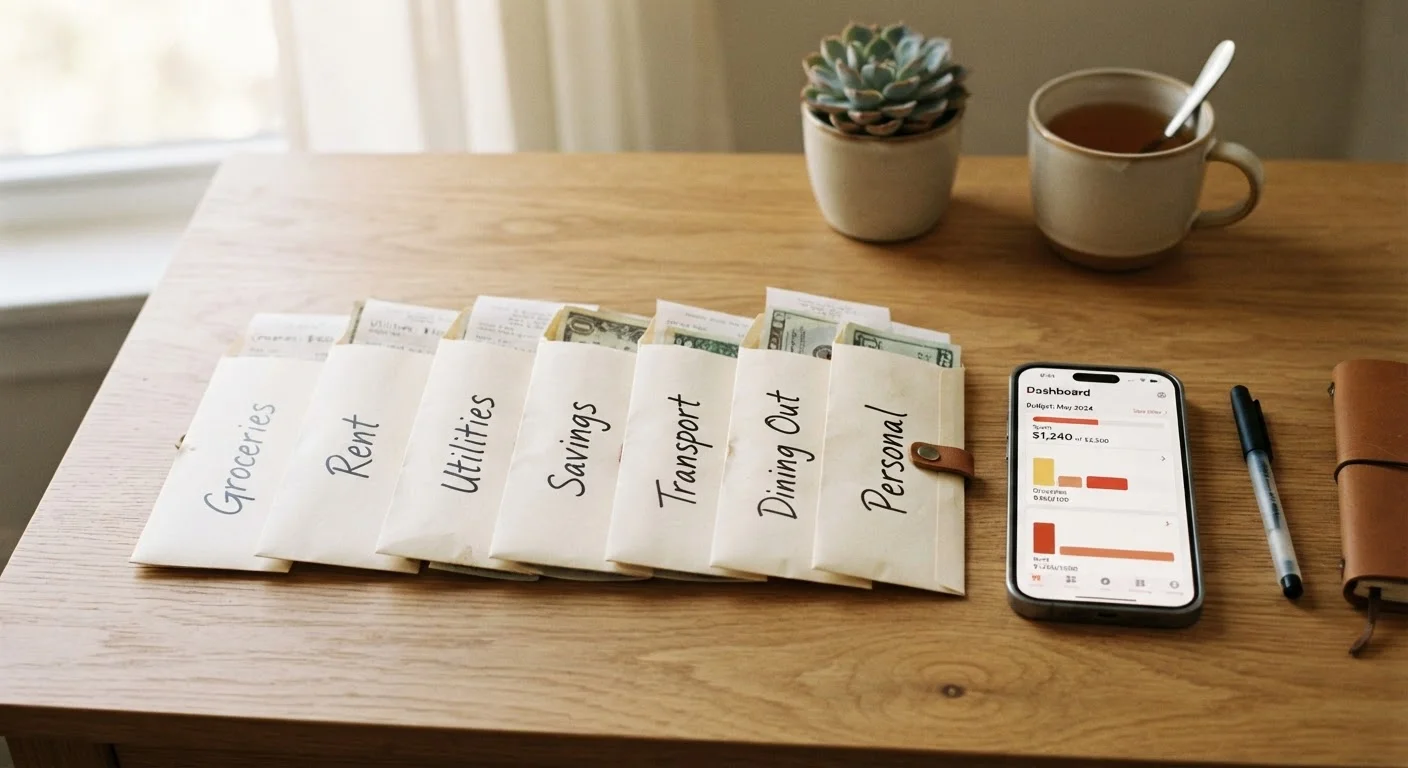
Photo: FaqsBay.com | Trending Blogs, Top Genres editorial
Key Takeaways
- Envelope budgeting assigns every dollar to a specific spending category before the month begins.
- You can replicate the system digitally using separate bank accounts or budgeting apps without using physical cash.
- The method works best for variable expenses like groceries, dining, and entertainment — not fixed bills.
- Tracking spending against each envelope in real time is the critical habit that makes the system work.
- When an envelope runs out, you stop spending in that category or consciously move money from another envelope.
How the Envelope Method Works — and Why It Still Makes Sense
The envelope budgeting method is straightforward: before the month starts, you divide your available income into labeled envelopes — one for groceries, one for gas, one for dining out, and so on. When an envelope is empty, spending in that category stops until next month. Historically this meant physical cash and paper envelopes. The friction of handling actual bills made overspending immediately obvious.
The psychological mechanism behind the system is what makes it durable. Seeing a finite pile of cash shrink is more visceral than watching a number on a screen change. Research in behavioral economics consistently finds that people spend more freely with cards than with cash — a phenomenon sometimes called the "pain of paying." The envelope method deliberately recreates that friction, whether you use cash or a digital equivalent.
For a broader look at how this approach compares to other frameworks, see every major budgeting method explained side by side.
Start With Just Five Categories
What You'll Need Before You Start
Before setting up your envelopes, gather the materials and information below. Skipping this preparation step is the most common reason people set unrealistic spending limits and abandon the system within weeks.
What you will need
Recent pay stubs or income records
Used to calculate your reliable monthly take-home income, which determines how much you have to allocate across envelopes.
Two to three months of bank or credit card statements
Helps you identify your actual spending patterns in each category so your envelope amounts are realistic from the start.
Dedicated sub-accounts or savings buckets at your bank
Serve as digital envelopes, physically separating money by category so balances are visible and tangible.
Budgeting app with envelope or category tracking
Automates the tracking work of logging each transaction against its assigned category envelope.
Simple spreadsheet
A no-cost alternative for manually tracking category balances throughout the month.
Step-by-Step: Building Your Digital Envelope System
Follow these steps in order. Each one builds directly on the previous, so resist the temptation to skip ahead to the app or account setup before you've done the income and spending analysis.
Calculate your monthly take-home income
Start with the money that actually lands in your account each month after taxes and payroll deductions — your net income, not your gross salary. If your income varies month to month, use a conservative estimate based on your three lowest-earning months. A budget built on income you might not receive is one that will fail from the start.
Identify your fixed and variable expenses
Separate your spending into two buckets. Fixed expenses — rent, car payment, insurance premiums, loan minimums — stay the same each month and don't need envelopes; just schedule them. Variable expenses — groceries, gas, dining out, clothing, entertainment — fluctuate and are the categories the envelope system is designed to control. Pull two to three months of statements and add up what you've actually spent in each variable category.
Assign a dollar limit to each envelope category
Using your take-home income minus fixed expenses, distribute the remaining dollars across your variable spending categories. Every dollar should land somewhere — if you have money left after assigning all envelopes, direct it to savings or debt repayment. If your category totals exceed what's available, something has to be reduced. This step forces trade-offs that a vague budget avoids.
Create your digital envelopes
Without physical cash, you need a system that makes each category's balance visible. Three practical approaches:
- Sub-accounts or savings buckets: Many banks and credit unions allow you to open named savings buckets within a single account. Transfer each envelope's monthly amount into its bucket at the start of the month.
- Budgeting app with category tracking: Apps that use an envelope or zero-based framework let you assign transactions to categories and see remaining balances in real time.
- Spreadsheet: A simple table with category names, starting balances, and a running deduction column. Low-tech but fully functional — see our comparison of spreadsheet vs. app-based budgeting if you're deciding between approaches.
Log every transaction as it happens
This is the step where most digital envelope systems break down. Unlike physical cash — where an empty envelope is immediate and undeniable — digital spending requires you to actively subtract each purchase from the relevant category. Whether you log in an app, update a spreadsheet, or review bank notifications, build a routine: log at the point of purchase, or set a daily five-minute reconciliation window. Consistency here is what gives the system its power.
Review and reset at the end of each month
Before the new month begins, review each envelope. Did you underspend or overspend? Note the patterns without judgment — the data tells you where your limits need adjusting. Reset balances to zero and re-fund each envelope for the coming month. Over two to three months, your category amounts will become increasingly accurate, and the system will start to feel natural rather than restrictive.
Don't Let Moving Money Become a Habit
Adapting the System for Real Life
A few situations require minor adjustments to the standard envelope approach:
- Irregular income: Budget based on your minimum expected monthly income. In months where you earn more, direct the surplus to savings or debt before spending it.
- Shared finances: Couples benefit from agreeing on category limits together before the month begins. Each partner should understand which envelope covers which expense. Our guide on budgeting as a couple covers frameworks for navigating joint finances.
- Credit card users: Envelope budgeting and credit cards can coexist if you treat each card purchase as an immediate deduction from the relevant envelope and pay the full balance monthly. The risk is that carrying a balance defeats the purpose — you're borrowing against next month's envelopes.
The envelope system works alongside broader financial goals too. If you're building an emergency fund or paying down debt, treat those as their own envelope categories — dollar amounts earmarked before discretionary spending is assigned. For more strategies on building savings alongside a budget, explore our Saving & Debt resources.
This Is General Financial Education
This article is for general informational and educational purposes only and does not constitute personalized financial, tax, or legal advice. Consult a licensed financial professional for guidance tailored to your individual circumstances.
The content provided on our blog site traverses numerous categories, offering readers valuable and practical information. Readers can use the editorial team’s research and data to gain more insights into their topics of interest. However, they are requested not to treat the articles as conclusive. The website team cannot be held responsible for differences in data or inaccuracies found across other platforms. Please also note that the site might also miss out on various schemes and offers available that the readers may find more beneficial than the ones we cover.