
When DIY Becomes a Liability: Home Improvement Tasks That Typically Require a Licensed Professional

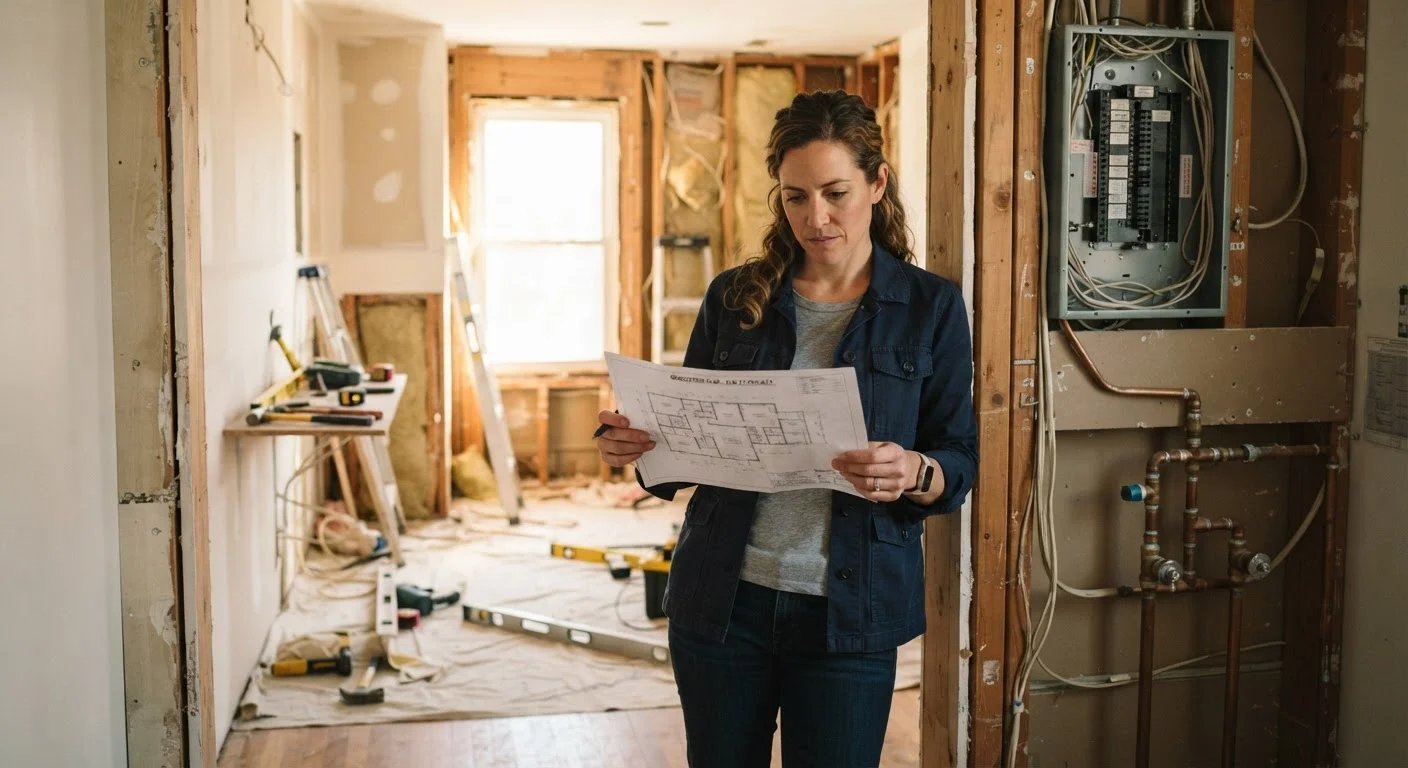
Photo: FaqsBay.com | Trending Blogs, Top Genres editorial
Why Licensing Exists — and Why It Matters to You
Contractor licensing isn't bureaucratic red tape — it's a system designed to protect homeowners from substandard work that can cause fires, floods, structural failures, and costly legal exposure. Licensed trades have passed competency exams, carry liability insurance, and are accountable to a state or local licensing board. Unlicensed work can void your homeowner's insurance, complicate a home sale, and in some cases expose you to fines for code violations.
The line between a manageable DIY project and one that legally requires a licensed professional isn't always obvious. It generally comes down to three factors: safety risk, permit requirements, and insurance implications. Understanding those factors helps you approach any project with realistic expectations.
For a thorough look at how permits work and what triggers them, see our plain-language guide to home renovation permits.
| Electrical panel upgrades | Licensed electrician + permit required in nearly all US jurisdictions |
| Gas line modifications | Licensed plumber or gas fitter required; no DIY option in most states |
| Refrigerant handling | EPA Section 608 Certification legally required (US Environmental Protection Agency) |
| Structural wall removal | Structural engineer assessment typically required; licensed contractor for execution |
| Unpermitted work risk | Can void homeowner's insurance and complicate home sale disclosure |
| Permit requirements vary by | State, county, and municipality — always verify locally |
Tasks That Typically Must Be Done by a Licensed Professional
The following categories represent work that most US jurisdictions either require a licensed contractor to perform or require a permit that effectively mandates licensed oversight. Requirements vary by state, county, and municipality — always verify local rules before starting any project.
Electrical Work Beyond Basic Fixes
Replacing a light switch or outlet is generally DIY-safe in most jurisdictions. But adding new circuits, upgrading an electrical panel, installing subpanels, or rewiring rooms typically requires a licensed electrician and a permit with inspection. Incorrect wiring is a leading cause of residential house fires. If the work is ever discovered to be unpermitted, insurers may deny claims related to it.
Gas Line Work
Any task involving natural gas or propane lines — extending a gas line, moving a gas appliance connection, or installing a new gas-burning appliance into existing supply lines — should only be handled by a licensed plumber or gas fitter. A small leak in a gas line can result in fire, explosion, or carbon monoxide poisoning. This is non-negotiable territory for DIY in virtually every US jurisdiction.
Structural Modifications
Opening up a floor plan often means removing walls, and not all walls are created equal. Removing or altering a load-bearing wall without engineering oversight can compromise the structural integrity of your entire home. Learn how to identify which walls carry loads before picking up a sledgehammer in our guide on load-bearing walls. A structural engineer and licensed contractor are typically required for this work.
Roofing in Many Jurisdictions
While some states allow homeowners to reroof their own primary residence, many require licensed roofing contractors for full replacements, particularly when a permit is triggered. Improper installation can void manufacturer warranties on materials and create moisture intrusion that's expensive to remediate. Even where DIY is technically legal, the liability risk is significant.
HVAC System Work
Installing or replacing a central heating or cooling system, extending ductwork, or working with refrigerants requires EPA Section 608 certification for refrigerant handling and often a state HVAC contractor license. This isn't a job to approximate — improper installation reduces efficiency, can cause carbon monoxide risks with combustion appliances, and typically voids equipment warranties.
Plumbing That Connects to the Main Supply or Sewer
Swapping a faucet or replacing a toilet is generally DIY-friendly. But relocating drain lines, tying into main supply or sewer lines, or moving fixtures as part of a bathroom remodel almost always requires a licensed plumber and inspection in most US municipalities.
Local Rules Always Take Precedence
Budget surprises from required licensed work are more common than most homeowners expect. See what costs tend to be overlooked in our article on hidden renovation costs.
The content provided on our blog site traverses numerous categories, offering readers valuable and practical information. Readers can use the editorial team’s research and data to gain more insights into their topics of interest. However, they are requested not to treat the articles as conclusive. The website team cannot be held responsible for differences in data or inaccuracies found across other platforms. Please also note that the site might also miss out on various schemes and offers available that the readers may find more beneficial than the ones we cover.