
Roof Replacement Vs. Roof Repair: How to Think Through the Decision

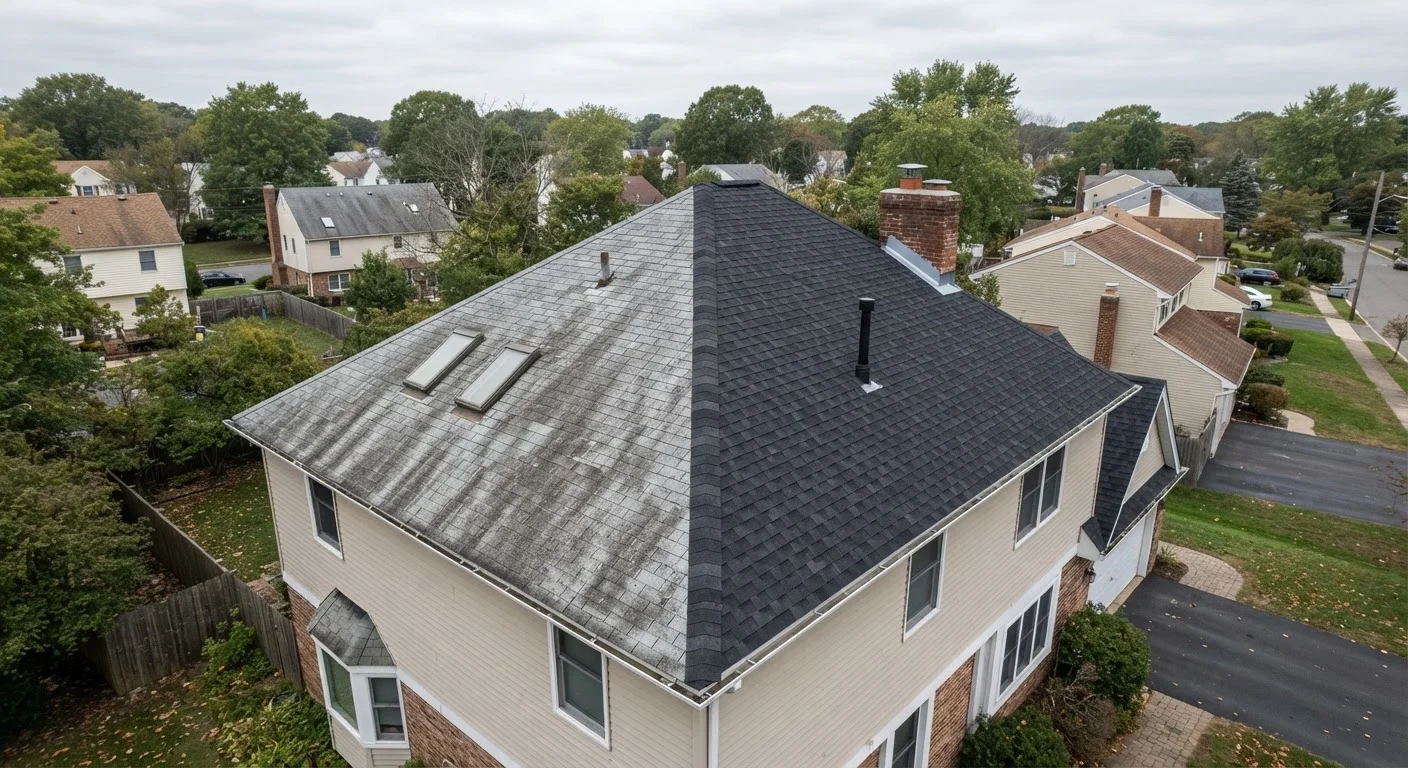
Photo: FaqsBay.com | Trending Blogs, Top Genres editorial
Key Takeaways
- Roofs older than 20 years are generally better candidates for full replacement than repeated repairs.
- The extent and location of damage—not just the visible symptom—should guide your decision.
- A professional inspection is the most reliable way to assess what your roof actually needs.
- Repair costs may seem lower upfront, but recurring repairs on an aging roof often cost more over time.
- Local building codes may require a full replacement under certain conditions—verify before proceeding.
Start With the Roof's Age
The single most useful data point when evaluating your roof is its age relative to the expected lifespan of the material. Asphalt shingles—by far the most common roofing material in the US—typically last between 20 and 30 years, depending on quality, climate, and installation. Metal roofing can last 40 to 70 years, while tile and slate often exceed 50 years with proper maintenance.
If your asphalt roof is 10 years old and you have a damaged area around a single flashing point, repair is almost always the right call. If that same roof is 22 years old and has been patched twice in the last four years, replacement is worth taking seriously—even if the current damage looks minor. Repeated repairs on an aging roof often become a cycle that costs more in total than a timely replacement would have.
Track Your Roof's History
Assess the Extent and Location of the Damage
Not all roof damage is equal. A handful of cracked or missing shingles on a small section of slope is very different from granule loss across the entire surface, multiple active leaks, or damage that has reached the roof deck (the wooden substrate beneath the shingles).
Key signs that lean toward repair: damage confined to one small area, a single point of water intrusion with an identifiable cause (such as a damaged vent boot or flashing), and no evidence of moisture in the attic beyond that zone.
Key signs that lean toward replacement: leaks in more than one area of the home, significant sagging or soft spots on the roof deck, widespread granule loss visible in gutters, or daylight visible through the attic. Damage that has allowed moisture to penetrate the decking can compromise structural integrity and often cannot be resolved with surface-level repairs.
| Roof Repair | Roof Replacement | |
|---|---|---|
| Best roof age | Under 15 years | Over 20 years or near end of lifespan |
| Damage scope | Isolated, localized area | Widespread or structural |
| Upfront cost | Lower | Higher |
| Long-term value | High if roof has years of life left | High when roof is near end of life |
| Permits typically required | Often no (varies by locale) | Usually yes—verify locally |
| Material matching | Can be difficult on older roofs | Consistent throughout |
| Disruption level | Minimal, often one day | Higher, several days typical |
Factor In Material and Installation Compatibility
One practical challenge with repair is matching existing materials. Shingle color and profile vary by manufacturer and production run, so a patch made today may not blend seamlessly with shingles installed a decade ago. While this is primarily a cosmetic concern, it can matter if you plan to sell your home or if the appearance of the repair signals deferred maintenance to prospective buyers or insurers.
There's also the question of layering. Many jurisdictions allow a second layer of shingles to be installed over an existing layer, which can reduce labor costs. However, local building codes often prohibit a third layer, and adding layers without removing existing material can mask underlying problems and add significant weight to the structure. A licensed contractor familiar with your local code can clarify what's permissible in your area.
Consider the Financial Picture Honestly
Repair costs are almost always lower in the short term. A localized shingle repair or flashing fix is typically a fraction of a full replacement's cost. But the relevant financial question isn't just today's invoice—it's the total cost over the next five to ten years.
If your roof has three to five years of functional life left, a repair buys time but doesn't change the eventual outcome. In that scenario, it may be worth applying repair costs toward a replacement budget instead. On the other hand, if a repair extends a sound roof's life by ten or more years, it's almost always the financially prudent choice.
Homeowner's insurance can affect this calculus as well. Some policies cover sudden damage (such as storm or hail damage) but not gradual deterioration. Understanding what your policy covers—and what it requires in terms of timely repairs—is worth a call to your insurer before you decide. This article provides general information only; consult a licensed roofing contractor and your insurance provider for guidance specific to your situation.
Don't Delay If You Have an Active Leak
Get a Professional Inspection Before Deciding
Roof condition is genuinely difficult to assess from the ground or even from a quick visual check. A qualified roofing contractor will inspect the decking, flashing, ventilation, gutters, and attic for signs of moisture intrusion that aren't visible from the surface. Some contractors also use moisture meters or infrared scanning to detect trapped water beneath the surface.
Getting two or three opinions from licensed, insured contractors is a reasonable approach for any significant roof decision. Ask each contractor to explain their reasoning, not just their recommendation—understanding why they're recommending repair versus replacement helps you make a more informed choice. Be cautious of unsolicited offers that arrive after a major storm, and verify contractor licensing through your state's contractor licensing board before any work begins.
This article is for general informational purposes only and does not constitute professional roofing, structural, legal, or financial advice. Always consult a licensed contractor and verify local building codes before making decisions about your roof.
The content provided on our blog site traverses numerous categories, offering readers valuable and practical information. Readers can use the editorial team’s research and data to gain more insights into their topics of interest. However, they are requested not to treat the articles as conclusive. The website team cannot be held responsible for differences in data or inaccuracies found across other platforms. Please also note that the site might also miss out on various schemes and offers available that the readers may find more beneficial than the ones we cover.