
Home Improvement From Foundation to Finish: A Comprehensive Owner's Resource

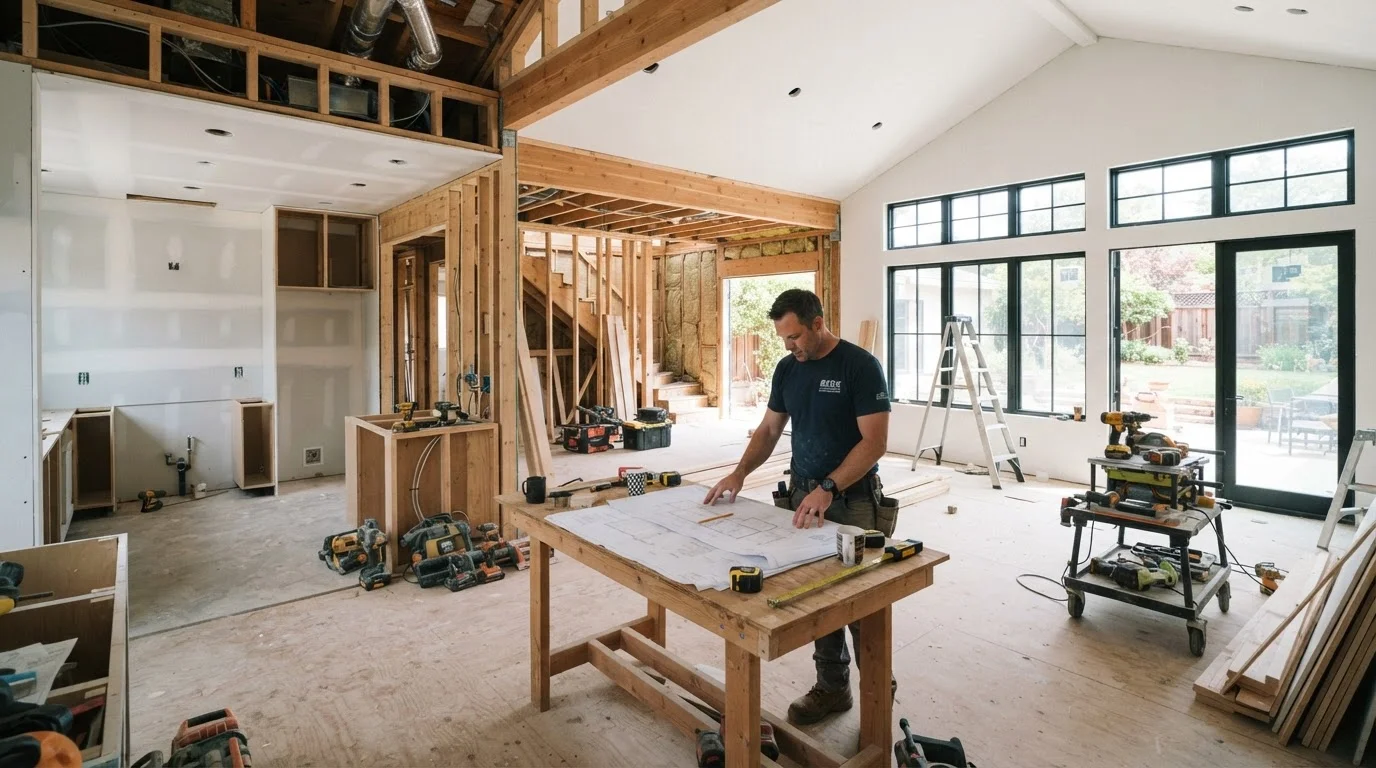
Photo: FaqsBay.com | Trending Blogs, Top Genres editorial
Key Takeaways
- Detailed planning before breaking ground prevents the majority of costly mid-project surprises.
- Permits protect you legally and financially — skipping them can complicate future home sales.
- Always get at least three written bids and verify licenses before hiring any trade contractor.
- Work follows a logical sequence: structure before systems, systems before finishes.
- Build a 10–20% contingency buffer into every renovation budget from the start.
- Scheduled maintenance after completion is what preserves the value of your investment.
Start With a Clear Project Plan
Every successful renovation begins not with a hammer, but with a notebook. Before contacting a single contractor, define what you want to accomplish, why it matters, and what constraints you are working within. Vague goals like "update the kitchen" lead to scope creep and budget overruns. Specific goals — "replace cabinetry, add an island, and upgrade ventilation" — give every decision a clear anchor.
Document your existing conditions first. Walk through the space, photograph it thoroughly, and note anything that already shows signs of wear: water stains, soft flooring, outdated wiring. Problems discovered after work begins cost far more to address than those caught upfront.
Prioritize projects by impact and urgency. Structural integrity, moisture control, and mechanical systems (HVAC, plumbing, electrical) should always come before cosmetic improvements. A fresh coat of paint over a leaking wall is money wasted. Once priorities are set, sketch a rough scope of work for each phase. You do not need architectural drawings at this stage — a clear written list will suffice for early conversations with contractors.
Before finalizing your project scope, live with your space for a full week while taking notes on how you actually use it — not how you imagine you do. Designing around real habits produces far more satisfying results than designing around idealized ones.
When reviewing contractor bids, ask each bidder to walk you through their bid line by line and explain any item that differs from competitors. The conversation itself reveals more about a contractor's competence and communication style than the numbers alone.
Understanding Permits and Local Codes
Permits are not bureaucratic hurdles — they are legal safeguards. Most jurisdictions in the US require permits for structural changes, electrical work, plumbing alterations, HVAC modifications, additions, and sometimes significant window or door replacements. Working without required permits can void homeowner's insurance coverage for related claims, result in fines, and force you to undo completed work during a future home sale inspection.
Contact your local building department early. Most municipalities publish permit requirements online, and many offer pre-application consultations at no charge. Ask specifically which trades on your project require licensed contractors versus what you may legally do yourself as a homeowner — this varies significantly by state and county.
Unpermitted Work Carries Real Legal Risk
After inspections pass and permits close, keep all paperwork permanently in your home records file. Future buyers and their lenders will often request this documentation. For guidance on financing renovation work within your broader financial picture, see the complete personal finance planning guide.
Hiring and Managing Trade Contractors
The quality of your renovation is only as good as the people executing it. For any licensed trade — electrical, plumbing, structural — verify credentials with your state licensing board before signing anything. Ask for proof of general liability insurance and workers' compensation coverage; without these, you may be liable for on-site injuries.
Obtain at least three written bids for each scope of work. A bid significantly lower than the others is rarely a bargain — it usually signals that something has been omitted from the scope or that the contractor plans to cut corners on materials. When comparing bids, confirm that each one covers identical work items.
Your contract should specify: detailed scope of work, materials and specifications, payment schedule tied to project milestones (never pay more than 10–15% upfront), timeline with start and substantial-completion dates, and a process for handling change orders. Change orders — written amendments when scope shifts — are normal on most projects, but verbal agreements are not enforceable.
Sequencing the Work Correctly
Trade work must follow a logical order, and getting the sequence wrong forces costly rework. The general rule is: structure before systems, systems before finishes.
- Demolition and structural work — remove what is leaving, repair or reinforce framing, address foundation issues, correct any moisture intrusion.
- Rough mechanicals — new electrical wiring, plumbing rough-in, HVAC ductwork, and any low-voltage systems (data, audio) go in while walls are still open.
- Inspections — rough-in inspections must pass before walls are closed. Schedule these proactively; inspector availability can be a bottleneck.
- Insulation and drywall — once inspections clear, insulate and hang drywall.
- Finish work — flooring, tile, cabinetry, trim, painting, fixture installation, and final mechanical connections happen last.
Outdoor improvements like landscaping and driveway work are typically sequenced after all interior trades are complete to avoid damage from heavy material deliveries. For exterior and yard planning, explore the Lawn & Garden hub for complementary guidance.
Budgeting and Controlling Costs
Renovation budgets have a predictable tendency to expand. The two main drivers are scope changes chosen by the homeowner and hidden conditions discovered behind walls. Both are manageable with the right approach.
Build your budget in three layers: the base bid (contracted scope), an allowance line for owner-selected finish items (tile, fixtures, hardware), and a contingency of 10–20% of total project cost. The contingency is not a slush fund — it exists specifically for unforeseen conditions. If you do not use it, consider yourself fortunate, not under-budget.
Track spending against your budget weekly. Create a simple spreadsheet with columns for budgeted amount, contracted amount, change orders, and amount paid to date. This prevents the common pattern of discovering a significant overrun only at project end.
Avoid Paying Large Sums Upfront
When deciding which improvements to prioritize, weigh how each one affects your home's livability versus its long-term upkeep demands. Exterior enhancements that connect indoor and outdoor living — like patios or landscaping — often add meaningful enjoyment. The Home Décor hub can help you plan interior finish choices once structural work is resolved.
Maintaining Your Results Long-Term
A renovation is an investment that requires ongoing stewardship. The most common reason improvements deteriorate prematurely is deferred maintenance — small issues allowed to compound. Establish a seasonal home maintenance checklist and keep it somewhere you will actually use it.
Key post-renovation maintenance tasks to schedule regularly include: inspecting caulk and grout in wet areas for cracks, testing HVAC filters and scheduling annual servicing, checking roof and flashing after severe weather, cleaning gutters and downspouts twice yearly, and inspecting any new wood decking or exterior trim for paint or sealant failure.
Keep a home improvement binder — physical or digital — that contains all warranties, manufacturer documentation, paint colors with batch numbers, permit records, and contractor contact information. When a fixture fails or a finish needs touching up, this record will save you significant time and money. For homeowners who also tend their outdoor spaces, the complete lawn care reference provides a parallel maintenance framework for the exterior of your property.
Approached systematically — plan, permit, hire carefully, sequence correctly, budget honestly, and maintain diligently — home improvement projects of almost any scale become genuinely manageable. The goal is not perfection on the first try but a reliable process you can repeat with growing confidence.
The content provided on our blog site traverses numerous categories, offering readers valuable and practical information. Readers can use the editorial team’s research and data to gain more insights into their topics of interest. However, they are requested not to treat the articles as conclusive. The website team cannot be held responsible for differences in data or inaccuracies found across other platforms. Please also note that the site might also miss out on various schemes and offers available that the readers may find more beneficial than the ones we cover.