
Drywall Tape Vs. Mesh: Choosing the Right Joint for the Job

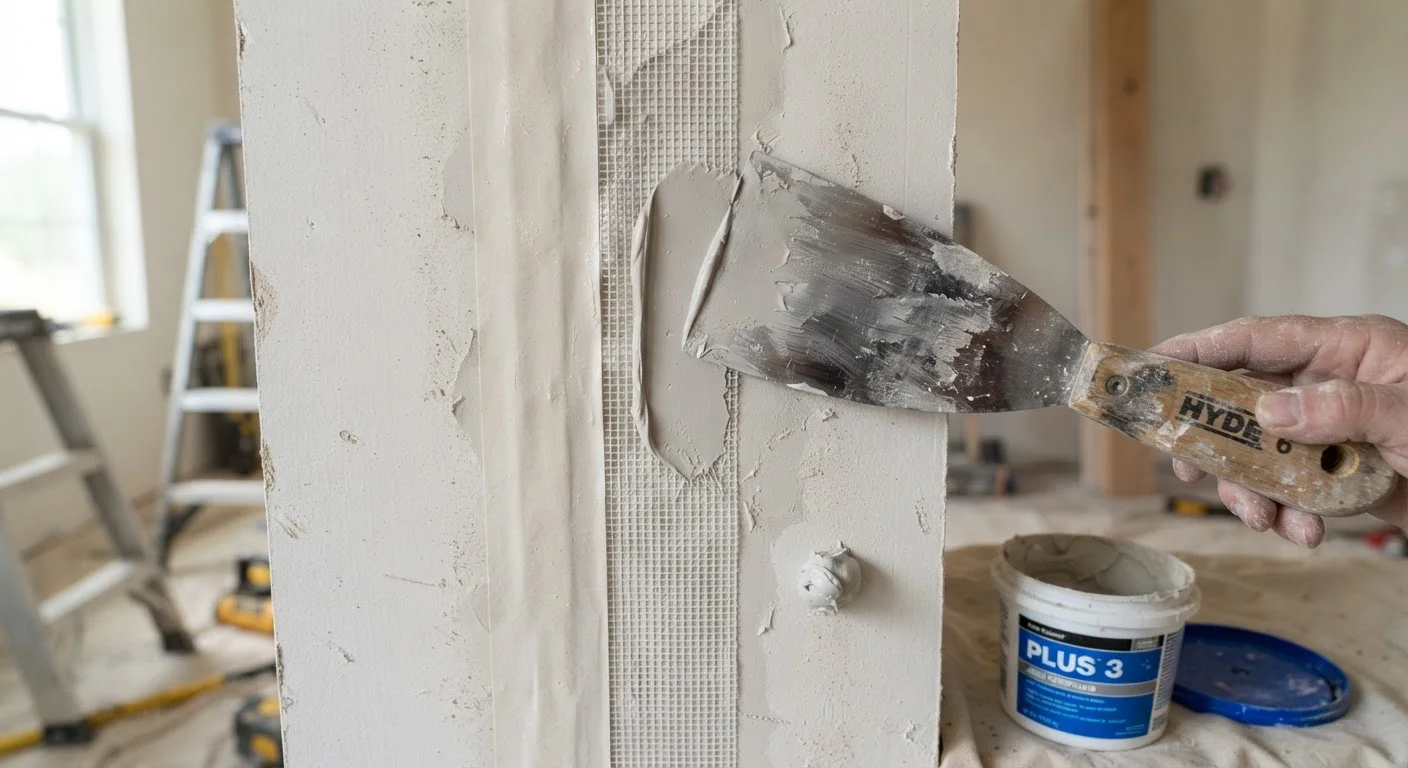
Photo: FaqsBay.com | Trending Blogs, Top Genres editorial
Key Takeaways
- Paper tape is generally stronger and more crack-resistant on flat seams and corners than mesh tape.
- Fiberglass mesh tape is self-adhesive and easier to apply, making it well-suited for small patches and repairs.
- Mesh tape requires setting-type compound rather than drying-type compound to achieve adequate strength.
- Paper tape requires an initial base coat of compound before application, while mesh sticks directly to the board.
- Professional finishers typically prefer paper tape for walls and ceilings that will receive a smooth paint finish.
What Each Type of Tape Actually Does
Drywall tape isn't decorative — it's structural. Its job is to bridge the seam between two sheets of drywall and prevent joint compound from cracking as the building settles, humidity fluctuates, and temperatures shift. Without tape, even a perfectly applied coat of compound will crack along the seam over time.
Paper drywall tape is a thin, slightly textured strip of paper — usually about 2 inches wide — with a center crease designed for folding into corners. It has no adhesive; it bonds by being embedded into a wet base coat of joint compound. That chemical integration is exactly what makes it strong: once set, the paper and compound essentially become one layer.
Fiberglass mesh tape is a woven, open-weave fabric with a pressure-sensitive adhesive backing. You press it directly onto dry drywall over the seam, then apply compound over the top. The open weave allows compound to key through the mesh for mechanical bonding. Its main advantage is convenience — no base coat needed before you apply it.
| Criterion | Paper Drywall Tape | Fiberglass Mesh Tape |
|---|---|---|
| Adhesive backing | None — requires wet compound bed | Self-adhesive — sticks to dry board |
| Crack resistance | Higher — flexes with structure | Lower — stiffer, prone to cracking |
| Best compound type | All-purpose or taping compound | Setting-type (hot mud) recommended |
| Corner application | Excellent — folds along center crease | Poor — does not fold cleanly |
| Ease of use | Moderate — requires base coat technique | High — press and apply |
| Ideal use case | New construction, flat seams, corners | Patches, repairs, screw pops |
| Finish quality potential | Superior when properly applied | Adequate for repairs, harder to hide on walls |
Strength, Flexibility, and Where Each Type Fails
Understanding the failure modes of each tape will help you pick the right one before a problem develops.
Paper tape has tensile strength along its length and — critically — it can flex slightly without breaking the compound bond. This flex tolerance is why it performs better on flat joints in walls and ceilings, where minor building movement occurs constantly. Its main failure point is improper application: if air bubbles are trapped beneath it during embedding, the tape will eventually blister and peel.
Fiberglass mesh tape is stiffer and does not flex as well. On flat seams, that rigidity can cause cracking in the compound over the mesh if the building moves even slightly. This is why finishers recommend using a setting-type compound (which is chemically cured and harder than standard drying-type compound) with mesh tape — it compensates somewhat for the tape's lower crack resistance. Even so, mesh tape generally underperforms paper tape on long flat seams.
A Note on Compound Type and Mesh Tape
Where mesh tape genuinely excels is in hole patching. Small repairs — covering a fastener hole, filling a screw pop, reinforcing a patch panel — don't require the long-span strength of paper tape. The ease of sticking mesh in place without a wet base coat makes the repair faster and cleaner.
Application Tips That Make a Real Difference
Regardless of which tape you choose, technique matters just as much as the material itself.
For Paper Tape
- Apply a thin, even bed coat of all-purpose or taping compound first — just enough to wet the surface.
- Press the tape firmly into the wet compound with a 6-inch knife, working from the center outward to push out air pockets.
- Apply a thin skim coat immediately over the embedded tape to fill the weave.
- Allow each coat to dry fully before sanding or applying the next coat — typically 24 hours in normal conditions.
For Fiberglass Mesh Tape
- Press firmly along the full length of the tape before applying any compound — good adhesion reduces lifting.
- Use a setting-type (hot mud) compound for the first coat over mesh to maximize strength.
- Apply compound generously on the first pass to fully fill the open weave; thin coats will leave the mesh texture visible under paint.
- Feather subsequent coats wide — mesh joints often require slightly wider feathering than paper joints to blend cleanly.
3 coats
Typical coats needed for a finish-ready seam
Most drywall finishing guides — including those from trade industry organizations — recommend a minimum of three compound coats (bed, fill, and finish) for a smooth, paintable surface regardless of tape type.
24 hrs
Standard dry time between drying-compound coats
In normal indoor conditions (around 70°F and moderate humidity), most all-purpose and lightweight drying compounds require approximately 24 hours between coats; setting compounds cure faster, often in 20–90 minutes depending on mix.
The content provided on our blog site traverses numerous categories, offering readers valuable and practical information. Readers can use the editorial team’s research and data to gain more insights into their topics of interest. However, they are requested not to treat the articles as conclusive. The website team cannot be held responsible for differences in data or inaccuracies found across other platforms. Please also note that the site might also miss out on various schemes and offers available that the readers may find more beneficial than the ones we cover.