
The Pros and Cons of Mental Health Apps as a Wellness Tool

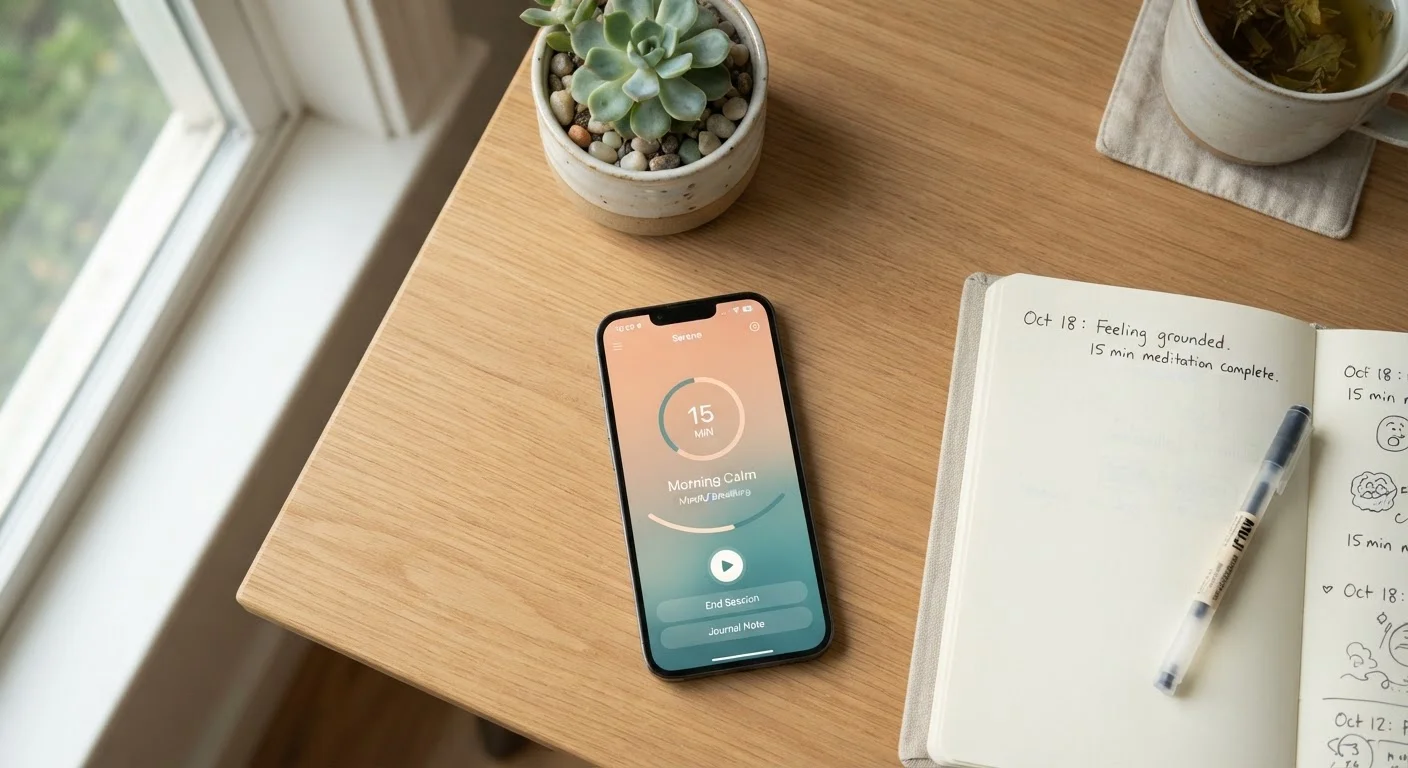
Photo: FaqsBay.com | Trending Blogs, Top Genres editorial
Key Takeaways
- Mental health apps can support daily habits like mood tracking, mindfulness, and sleep hygiene.
- They are not a substitute for professional diagnosis or treatment of clinical mental health conditions.
- Privacy and data security practices vary widely across apps - always review the privacy policy.
- Evidence supporting app effectiveness ranges from strong to minimal depending on the specific tool and condition.
- Apps work best as a complement to, not replacement for, human connection and professional care.
Available anytime, removing barriers to getting support
Apps can be accessed at 2 a.m. during a difficult night or during a lunch break - situations where a therapist is unavailable. This round-the-clock accessibility can help users practice coping skills in the moment.
Low cost compared to traditional therapy
Many apps offer free tiers or subscriptions costing a fraction of a single therapy session. For people without insurance coverage for mental health services, this can meaningfully lower the bar to engaging with wellness practices.
Structured prompts build consistent daily habits
Features like daily mood check-ins, guided breathing exercises, and journaling prompts create a repeatable structure. Consistency is one of the most important factors in building lasting mental wellness habits.
Evidence-based techniques made accessible
Several well-researched apps deliver CBT, mindfulness-based stress reduction (MBSR), and behavioral activation techniques in user-friendly formats. When grounded in these methods, apps can translate clinical approaches into everyday use.
Anonymity reduces stigma as a barrier
Some people are more willing to engage with mental health content privately on a device before they feel ready to speak with a professional. Apps can serve as a low-stakes starting point.
Cannot replace professional clinical assessment or therapy
Apps lack the ability to assess clinical severity, respond to crisis situations with the nuance required, or provide the relational dynamic that is itself therapeutic. For diagnosed conditions, professional guidance remains essential.
Evidence base is thin for many available apps
The market for mental health apps has grown far faster than the research evaluating them. Many products make wellness claims that are not backed by peer-reviewed studies specific to that app.
Data privacy practices vary and are often opaque
Mental health app users frequently share sensitive personal data without fully understanding how it may be stored, shared, or monetized. Independent audits of app privacy compliance have found significant inconsistencies across the market.
Risk of substituting apps for human connection
Regular use of self-contained digital tools could, for some users, reduce the perceived urgency of building real-world support networks - which carry stronger evidence for long-term mental health than any digital tool.
Engagement and drop-off rates undermine effectiveness
Research consistently shows that a significant proportion of users disengage from mental health apps within the first few weeks. An app only delivers benefit when used consistently over time.
What Mental Health Apps Actually Do
Mental health apps broadly fall into a few categories: mood trackers, guided meditation and mindfulness tools, cognitive behavioral therapy (CBT)-based programs, sleep aids, and crisis support resources. Some are developed with clinical input; others are built primarily around general wellness principles.
It's worth distinguishing between apps designed to support everyday mental wellness - stress reduction, habit formation, emotional check-ins - and those that claim to address clinical conditions like major depressive disorder or generalized anxiety. The former has stronger practical grounding; the latter requires much more scrutiny. Before downloading, it helps to pair any app with a daily self-assessment practice so you have a baseline for how you're actually feeling.
Available anytime, removing barriers to getting support
Apps can be accessed at 2 a.m. during a difficult night or during a lunch break - situations where a therapist is unavailable. This round-the-clock accessibility can help users practice coping skills in the moment.
Low cost compared to traditional therapy
Many apps offer free tiers or subscriptions costing a fraction of a single therapy session. For people without insurance coverage for mental health services, this can meaningfully lower the bar to engaging with wellness practices.
Structured prompts build consistent daily habits
Features like daily mood check-ins, guided breathing exercises, and journaling prompts create a repeatable structure. Consistency is one of the most important factors in building lasting mental wellness habits.
Evidence-based techniques made accessible
Several well-researched apps deliver CBT, mindfulness-based stress reduction (MBSR), and behavioral activation techniques in user-friendly formats. When grounded in these methods, apps can translate clinical approaches into everyday use.
Anonymity reduces stigma as a barrier
Some people are more willing to engage with mental health content privately on a device before they feel ready to speak with a professional. Apps can serve as a low-stakes starting point.
The Drawbacks Worth Taking Seriously
Apps are not therapists. This distinction matters enormously for anyone navigating more than routine stress. Even the most sophisticated app cannot assess clinical risk, adjust to nuanced emotional context, or provide the relational repair that human therapeutic connection offers.
The research landscape is also uneven. While some well-studied CBT-based apps show measurable benefits for mild to moderate anxiety and depression symptoms, many wellness apps lack peer-reviewed evidence supporting their specific claims. A 2018 systematic review published in JMIR Mental Health found that the quality of app-based mental health evidence varied substantially - a caution that remains relevant as the market continues to grow rapidly.
Additionally, heavy reliance on apps could, for some users, function as a substitute for seeking real human connection - one of the most robustly evidenced protective factors for mental health. See our guide to social connection and mental health for context on why that distinction matters.
Cannot replace professional clinical assessment or therapy
Apps lack the ability to assess clinical severity, respond to crisis situations with the nuance required, or provide the relational dynamic that is itself therapeutic. For diagnosed conditions, professional guidance remains essential.
Evidence base is thin for many available apps
The market for mental health apps has grown far faster than the research evaluating them. Many products make wellness claims that are not backed by peer-reviewed studies specific to that app.
Data privacy practices vary and are often opaque
Mental health app users frequently share sensitive personal data without fully understanding how it may be stored, shared, or monetized. Independent audits of app privacy compliance have found significant inconsistencies across the market.
Risk of substituting apps for human connection
Regular use of self-contained digital tools could, for some users, reduce the perceived urgency of building real-world support networks - which carry stronger evidence for long-term mental health than any digital tool.
Engagement and drop-off rates undermine effectiveness
Research consistently shows that a significant proportion of users disengage from mental health apps within the first few weeks. An app only delivers benefit when used consistently over time.
Privacy and Data Considerations
Mental health data is among the most sensitive personal information you can share. Many apps collect mood logs, journal entries, and usage patterns - and their data-sharing practices are not always transparent.
Mental Health Apps Are Not Regulated as Medical Devices
Before using any mental health app, review its privacy policy to understand what data is collected, whether it is sold to third parties, and how it is stored. Look for apps that comply with recognized security standards and are transparent about their data practices. When in doubt, share the minimum information necessary.
How to Use Apps Effectively as Part of a Broader Wellness Approach
Apps are most effective when they serve as one layer of a broader mental wellness strategy rather than a standalone solution. Pairing an app's structured prompts with sustainable daily mental health habits gives you the consistency and depth that neither can fully deliver alone.
10,000+
Mental health apps available in major app stores
Estimates from researchers and industry analysts suggest tens of thousands of mental health-related apps exist, though only a small fraction have been evaluated in published clinical research.
~28%
Users still engaged after 30 days
Studies on digital health app engagement have consistently found that a large majority of users discontinue use within the first month, limiting real-world effectiveness.
Practically, this might look like using a mindfulness app to anchor a morning routine, a mood tracker to spot patterns you can discuss with a therapist, or a sleep-focused app to support good sleep hygiene alongside other behavioral changes. When used with realistic expectations, apps can reduce friction in building habits - much like how automation can streamline routines in other areas of life, as explored in our analysis of automating personal finances.
This article is for general informational and educational purposes only and does not constitute medical or mental health advice. If you are experiencing significant mental health symptoms or a crisis, please consult a qualified healthcare professional or contact a crisis support service.
The content provided on our blog site traverses numerous categories, offering readers valuable and practical information. Readers can use the editorial team’s research and data to gain more insights into their topics of interest. However, they are requested not to treat the articles as conclusive. The website team cannot be held responsible for differences in data or inaccuracies found across other platforms. Please also note that the site might also miss out on various schemes and offers available that the readers may find more beneficial than the ones we cover.