
Buying & Selling

What Car Dealers Don't Always Volunteer During the Sale

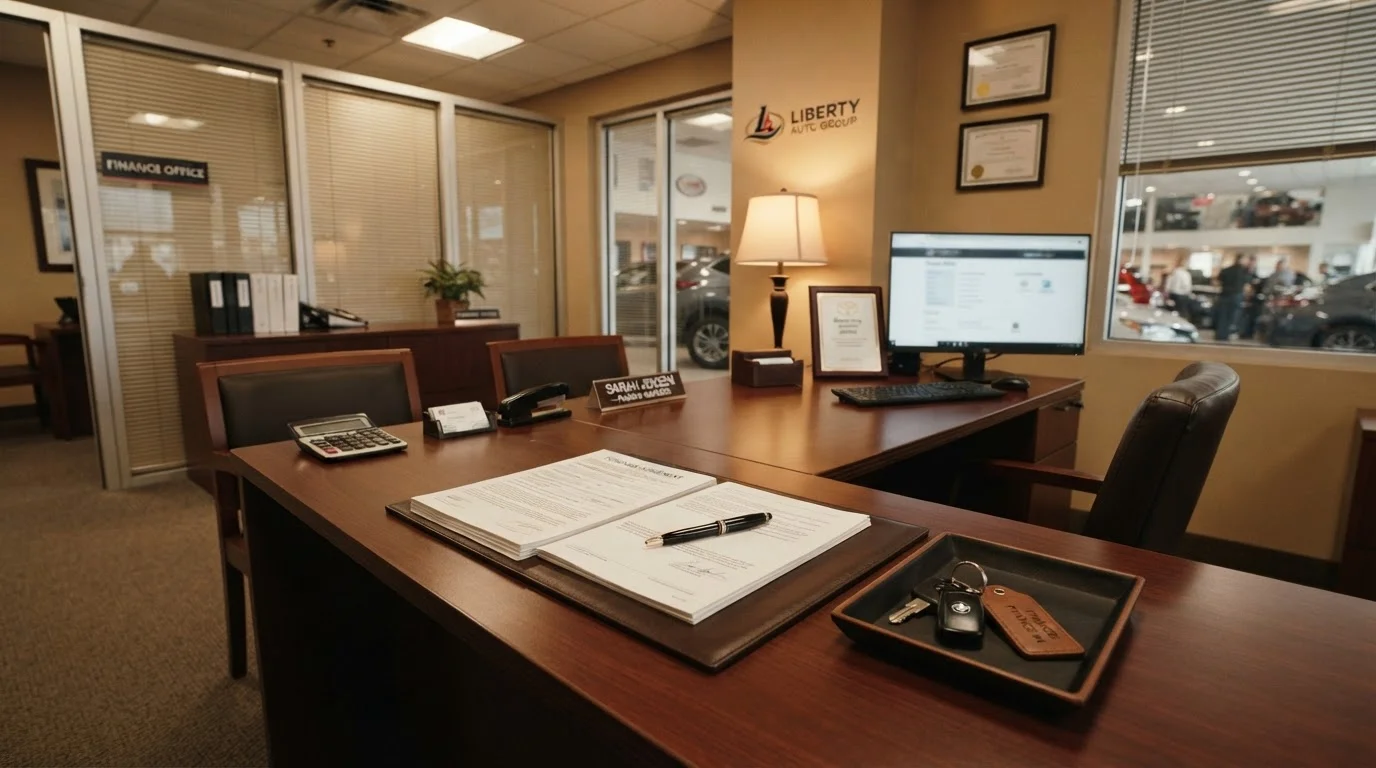
What Car Dealers Don't Always Volunteer During the Sale

Photo: FaqsBay.com | Trending Blogs, Top Genres editorial

Dealer add-ons, financing markups, and window sticker fine print—understand what's negotiable and what to ask before signing.

Key Takeaways

  • Dealer-arranged financing often includes a markup above the lender's actual approved rate.
  • Many add-ons bundled into the finance office are optional and negotiable, not mandatory.
  • Dealer-installed accessories listed on the window sticker are frequently marked up significantly.
  • Getting pre-approved for financing before visiting a dealership gives you a concrete rate to compare.
  • Reading every line of the purchase agreement before signing is essential — verbal assurances are not binding.

The Finance Office: Where Deals Get Rebuilt

Reaching a price agreement on the vehicle is only the first half of the transaction. The finance and insurance (F&I) office — where you sign the actual purchase contract — is where the total cost of the deal often expands. Products are offered, terms are formalized, and buyers who feel the hard work is done may let their guard down at precisely the wrong moment.

Understanding what is negotiable, what is optional, and what you should read carefully before signing can be the difference between a fair deal and one that costs considerably more than anticipated.

1

Accepting the dealer's financing rate without comparison shopping first.

Why it happens: Dealer financing feels convenient, and many buyers assume the rate offered is the best available given their credit profile. In reality, dealers often have discretion to mark up the interest rate above what the lender actually approved.
How to avoid: Obtain pre-approval from your bank or credit union before visiting any dealership. This gives you a concrete rate to benchmark against the dealer's offer. See how the two paths compare in our guide to dealer vs. outside financing.
2

Agreeing to finance office add-ons without understanding what they cover or cost.

Why it happens: Products like extended service contracts, GAP coverage, and paint protection are often presented as a package or described as standard, creating the impression they are required. Buyers in a fatigued late-stage negotiation are more likely to say yes.
How to avoid: Ask for the price of each product separately, request written documentation of coverage terms, and take time to research whether comparable coverage is available elsewhere. GAP coverage, for instance, is often available through your auto insurer at a lower cost.
3

Ignoring dealer-installed accessories already on the vehicle.

Why it happens: Items like tinted windows, all-weather mats, or paint sealant are sometimes added before the vehicle even reaches the sales floor, and their cost appears on a supplemental sticker alongside the Monroney label. Buyers often assume these are part of the standard vehicle.
How to avoid: Review every sticker on the window — not just the federally required Monroney label. Dealer add-ons on a supplemental sticker are typically negotiable. Our field guide to window sticker terms explains what each line actually means.
4

Focusing only on the monthly payment rather than the total cost of the loan.

Why it happens: Monthly payments are easy to compare and feel manageable. Dealers sometimes extend loan terms to keep payments low while the total amount financed — and interest paid — increases substantially.
How to avoid: Always calculate the full loan cost: multiply the monthly payment by the number of months and add any down payment. Compare that figure across different term lengths before agreeing to any financing structure.
5

Trading in a vehicle without knowing its independent market value first.

Why it happens: Trade-in value is often bundled into the overall deal negotiation, making it difficult to evaluate whether the offer is fair. A generous trade-in allowance may be offset by less movement on the purchase price.
How to avoid: Research your vehicle's market value using multiple sources before stepping into a dealership. Negotiate the trade-in and the purchase price as separate transactions where possible. Our guide to negotiating a car price covers this in detail.

What to Do Before You Set Foot in a Dealership

Preparation is the most effective tool a car buyer has. Before visiting any dealership, take the following steps:

  • Secure pre-approved financing. Contact your bank or credit union for a pre-approval. This gives you a rate baseline and removes the dealer's sole leverage over your financing.
  • Research the vehicle's market value. Understand what similar vehicles are selling for in your area, not just the sticker price.
  • Know your trade-in's worth. Check multiple valuation sources independently so you can evaluate any offer with context.
  • Read the stickers — all of them. A supplemental sticker next to the Monroney label often lists dealer-added items that are not part of the manufacturer's standard equipment.

Verbal Promises Don't Hold Up

If a dealer representative assures you that a service, warranty, or feature is included, that assurance is only enforceable if it appears in the written contract. Before signing, verify every agreed term is documented. Crossing out or adding language to a contract is normal practice — never feel pressured to sign a document that doesn't reflect what was discussed.

Buyers who arrive informed are better positioned to ask the right questions, recognize when a figure doesn't add up, and walk away if the terms don't reflect what was agreed verbally. Common car-buying assumptions don't always hold up — our look at car buying myths that cost shoppers real money is worth reading before you negotiate.

Spot-Delivery Risk Is Real

Some dealerships release the vehicle before financing is fully finalized — a practice sometimes called a 'yo-yo' sale. Days later, you may be called back and told the financing fell through, often at worse terms. Until a lender has formally funded the loan and all documents are complete, the deal is not truly closed. If possible, confirm financing is fully approved before taking delivery of the vehicle.

This article is for general informational purposes only and does not constitute financial, legal, or professional advice. Terms, pricing, and financing options vary significantly by dealership, lender, and individual circumstances. Consult a licensed financial professional for guidance specific to your situation.

Automotive Editorial Team

FaqsBay.com | Trending Blogs, Top Genres

Automotive Editorial Team is the collective byline for our editorial team and contributor network. Articles published under this byline or an editorial pen name are researched, written, and reviewed according to our editorial standards for clarity, consistency, and independence before publication.

Car MaintenanceBuying & SellingCar Insurance
View author profile

The content provided on our blog site traverses numerous categories, offering readers valuable and practical information. Readers can use the editorial team’s research and data to gain more insights into their topics of interest. However, they are requested not to treat the articles as conclusive. The website team cannot be held responsible for differences in data or inaccuracies found across other platforms. Please also note that the site might also miss out on various schemes and offers available that the readers may find more beneficial than the ones we cover.