
Selling Your Car Privately: A Realistic Walkthrough

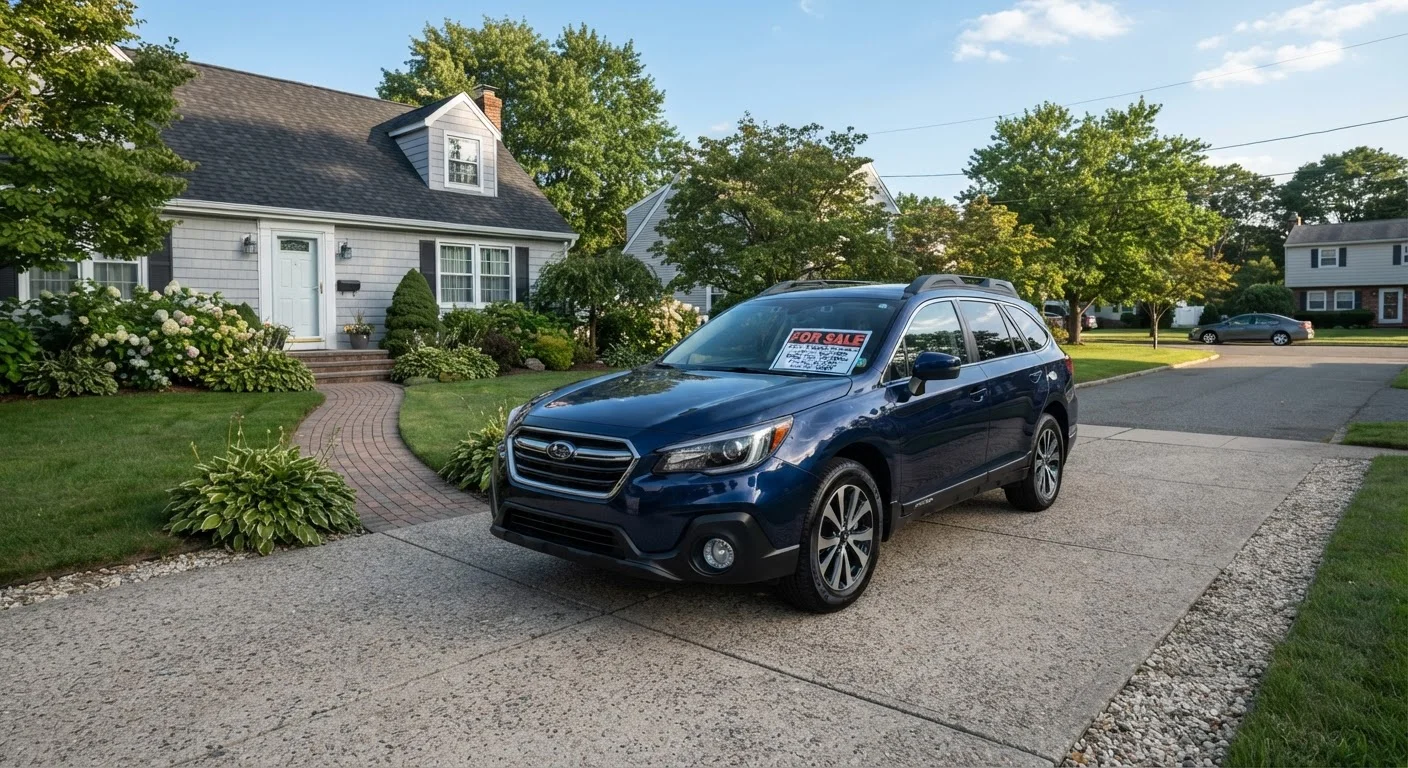
Photo: FaqsBay.com | Trending Blogs, Top Genres editorial
Key Takeaways
- Accurate pricing based on market data is the single most important factor in a fast, fair private sale.
- A complete, honest listing with quality photos reduces low-ball offers and time-wasters significantly.
- Safety protocols for test drives and payment protect both seller and buyer throughout the transaction.
- Proper paperwork - bill of sale, title transfer, and odometer disclosure - is legally required in most states.
- Notify your insurer and your state DMV promptly after the sale to end your liability on the vehicle.
Why Private Sales Require More Effort - and Often Pay Off
Trading a vehicle in at a dealership is straightforward but rarely maximizes what you receive. Private sales eliminate the dealer's resale margin, which means sellers can often command a meaningfully higher price for the same vehicle. The tradeoff is time, preparation, and a process you manage entirely yourself.
If you are weighing whether a private sale is right for your situation, our comparison of trade-in versus private sale walks through the financial and logistical tradeoffs in detail. Once you decide to sell privately, the steps below give you a realistic picture of what the process actually involves.
A Pre-Sale Inspection Builds Buyer Trust
What You'll Need Before You List
A private sale begins long before the listing goes live. Sellers who have their paperwork organized, their vehicle cleaned and inspected, and their price researched tend to move faster and negotiate from a stronger position.
What you will need
Vehicle title (certificate of title)
The legal document that transfers ownership to the buyer; required to complete the sale in every state.
Bill of sale template
A written record of the transaction including price, date, vehicle details, and both parties' signatures.
Odometer disclosure statement
Federally required for most vehicles to certify the recorded mileage at the time of sale.
Vehicle history report
Documents prior ownership, accidents, and title status - reduces buyer hesitation and supports your asking price.
Pre-sale mechanic inspection report
Third-party documentation of the vehicle's mechanical condition to share with serious buyers.
If your vehicle still has an outstanding loan, contact your lender before listing. You will need to coordinate payoff - either before or at the time of sale - since you cannot legally transfer a title that carries a lien without satisfying that lien first. Your lender can walk you through the payoff and title-release process specific to your loan.
Step-by-Step: The Private Sale Process
Follow these steps from pricing through title transfer. Each stage builds on the previous one, and skipping steps - particularly around documentation and payment - is where most private sales run into problems.
Research and set a realistic asking price
Check market-value tools such as Kelley Blue Book and Edmunds to see what comparable vehicles are selling for in your ZIP code. Look at active private-party listings - not just dealer inventory - for cars with similar mileage, trim level, and condition. Set your price slightly above your true floor to leave negotiation room, but avoid overpricing, which will stall interest entirely.
Prepare the vehicle and gather documentation
Clean the car thoroughly inside and out, address minor cosmetic issues where cost-effective, and collect all maintenance records you have on hand. Gather your title, registration, warranty documents if still active, and any service receipts. A vehicle history report can reduce buyer hesitation and is worth obtaining before you list. Check your state's DMV website for any required inspection certificates.
Write an honest, detailed listing
Your listing should include year, make, model, trim, mileage, condition, notable features, any known issues, and your asking price. Photograph the exterior from all four corners, the interior front and rear, the engine bay, the odometer, and any damage worth disclosing. Natural daylight produces better photos than flash. Accurate listings attract serious buyers and reduce time spent with unqualified inquiries.
Screen inquiries and schedule test drives safely
Respond promptly to inquiries and ask qualifying questions: Is the buyer paying cash or arranging financing? Do they have a license? Are they local? Arrange test drives in a public location during daylight hours. Request to see their driver's license, photograph it for your records, and accompany the buyer on the drive. Keep the route to familiar local roads rather than highways where you have less control.
Negotiate and agree on terms
Know your walk-away number before any negotiation begins. Buyers will almost always open below your asking price - that is expected. Counter with reasoning tied to the vehicle's condition and market data rather than emotion. Agree on a final price, confirm the payment method, and decide whether the sale is contingent on the buyer arranging their own inspection. For guidance on negotiation dynamics from the buyer's side, see our negotiation walkthrough.
Complete payment and sign the paperwork
Accept only secure payment - cash or a certified payment method verified with your bank before the title changes hands. Complete a bill of sale signed by both parties, fill out the odometer disclosure statement, and sign over the title according to your state's instructions (requirements vary; check your state DMV). Give the buyer copies of all documents and retain copies for yourself.
Notify the DMV and your insurer
File a notice of transfer or release of liability with your state DMV as soon as the sale is complete - this document ends your legal responsibility for the vehicle. Contact your auto insurer to remove the car from your policy, or adjust coverage if you are simultaneously purchasing a replacement. Keep the buyer's signed bill of sale as proof of the transaction date.
Never Accept Personal Checks or Wire Transfers
Once the sale is finalized, remember that your obligations as a vehicle owner do not end the moment you hand over the keys. Notifying your state DMV and your insurer completes the transaction and protects you from liability tied to the vehicle's future operation. For a broader look at how vehicle transactions work from the buyer's perspective, see our full car purchase guide.
And when you're ready for your next vehicle, understanding your auto insurance options is a smart place to start.
The content provided on our blog site traverses numerous categories, offering readers valuable and practical information. Readers can use the editorial team’s research and data to gain more insights into their topics of interest. However, they are requested not to treat the articles as conclusive. The website team cannot be held responsible for differences in data or inaccuracies found across other platforms. Please also note that the site might also miss out on various schemes and offers available that the readers may find more beneficial than the ones we cover.